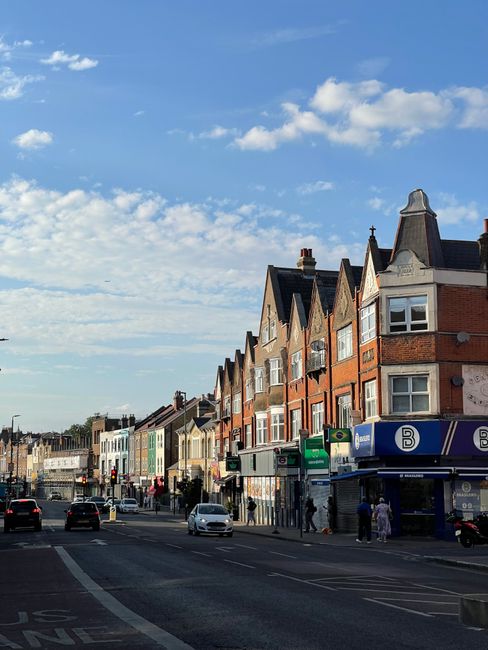
Average removal costs in Gipsy Hill: what SE19 pays
If you are planning a move in SE19, the first question is usually the same one: what will it actually cost? Average removal costs in Gipsy Hill: what SE19 pays depends on more than just the size of the property. Access, parking, packing, stairs, timing, and whether you need full-service help can all move the price up or down. That is the awkward bit, really. Two homes that look similar on paper can end up with very different quotes once the details come out.
This guide breaks the pricing down in plain English. You will see what removal companies normally factor in, how local conditions in Gipsy Hill can affect the bill, which service type suits which move, and how to avoid paying for things you do not need. If you are comparing options, you may also want to look at pricing and quotes, or browse the wider range of removal services available for home and business moves.
Table of Contents
- Why average removal costs in Gipsy Hill matter
- How removal pricing works in SE19
- Key benefits and practical advantages
- Who this is for and when it makes sense
- Step-by-step guidance
- Expert tips for better results
- Common mistakes to avoid
- Tools, resources and recommendations
- Law, compliance, standards, or best practice
- Options, methods, or comparison table
- Case study or real-world example
- Practical checklist
- Conclusion
- Frequently asked questions
Why Average removal costs in Gipsy Hill: what SE19 pays Matters
Removal costs matter because moving is one of those jobs where the final figure can creep up fast if you do not plan carefully. In Gipsy Hill, that is especially true. You may be dealing with terraced streets, tight parking, shared access, or homes with more stairs than you remember after five minutes of carrying boxes. That all has a price impact.
For most people, the aim is not to find the cheapest quote in isolation. It is to find a fair price for the work you actually need. If you only need loading, transport, and unloading, paying for a full packing crew would be overkill. On the other hand, if you are moving a whole family home and juggling work, school runs, and a mountain of cardboard, a more complete service can save serious stress.
Average removal costs in Gipsy Hill also matter because local demand can affect availability. Friday afternoon and month-end slots tend to get busy. Summer moves can book out early. Truth be told, plenty of people wait until the last minute and then wonder why quotes feel a bit sharper than expected. Timing counts.
Expert takeaway: the best removal quote is not simply the lowest number. It is the one that matches your property, access, timing, and service level without hidden extras later.
If you want a better idea of the provider behind the numbers, it helps to understand the team, how they work, and how they approach customer care. A good starting point is the company's about us page, plus its insurance and safety information. You do not need to be suspicious of every quote, but a little due diligence goes a long way. Let's face it, moving day is not the time for surprises.
How Average removal costs in Gipsy Hill: what SE19 pays Works
Removal pricing usually starts with a few core variables: how much needs moving, how far it is going, how long the job will take, and how many people or vehicles are needed. In London, the practical side matters just as much as the distance. A move from one SE19 street to another may still take longer than a short drive suggests if access is awkward or parking is limited.
Most removal jobs are priced in one of three ways:
- Hourly rate for smaller moves or flexible jobs.
- Fixed quote for a clearly defined scope and volume.
- Hybrid pricing where the company estimates time plus add-ons such as packing, stairs, or waiting time.
The service type also changes the price. A simple man and van arrangement tends to suit smaller flats, light loads, single-room moves, or furniture collection. Larger family homes may need fuller house removals support, with extra crew and a larger vehicle. Office moves sit in a different bucket again and can be planned through office removals or more structured commercial moves.
In practical terms, the quote reflects the labour and logistics behind the move. The team may need to carry items from a top-floor flat, protect fragile furniture, dismantle beds, or do several trips if a van cannot take everything in one go. Those are not small details. They are the whole game, really.
Here is the sort of thing that often changes the price in SE19:
- Number of rooms or estimated load size
- Lift access versus stair-only access
- Whether packing materials are included
- Distance between loading and unloading addresses
- Waiting time if keys are delayed
- Day of the week and peak moving periods
- Need for dismantling and reassembly
It is also worth checking how the company handles payments and deposits before you commit. A transparent provider will explain this clearly, which is why a page like payment and security is worth reading before you book. Nobody enjoys chasing details after the fact.
Key Benefits and Practical Advantages
Once you understand the structure behind the price, the benefits of good removal planning become obvious. You are not just buying a van and a pair of hands. You are buying time, protection, and a lot less disruption to your day.
Some of the real advantages include:
- Cleaner budgeting - you can compare apples with apples instead of guessing.
- Less stress - because the day is organised instead of improvised.
- Lower damage risk - careful lifting and wrapping reduce breakage.
- Better time control - especially useful if you have a key handover deadline.
- Right-sized service - no paying for a full truck when a smaller vehicle will do.
There is also a local convenience angle. If you are moving in or around SE19, using a nearby team can sometimes mean better awareness of local roads, loading challenges, and the kind of access issues that make a small difference individually but a big difference together. That practical familiarity matters more than people think.
Another benefit is sustainability. If a provider is serious about recycling and disposal practices, that can help with unwanted items, boxes, or furniture that does not need to make the journey. You can read more about this in the company's recycling and sustainability information. Moving is messy enough without turning it into a waste problem.
And for smaller jobs, the flexibility of a man with van setup can be a real plus. It is often the sweet spot for students, flat-sharers, first-time buyers, and anyone moving fewer items but still wanting professional help.
Who This Is For and When It Makes Sense
Average removal costs in Gipsy Hill are relevant to more people than you might expect. It is not just for big household moves. In fact, some of the most price-sensitive jobs are the smaller, more awkward ones. A sofa, a mattress, a few heavy cabinets, maybe a home office setup. These can be surprisingly fiddly.
This topic is especially useful if you are:
- Moving from a flat, maisonette, or family house in SE19
- Comparing removal companies before requesting quotes
- Deciding between a full service and a man and van removals option
- Relocating an office or small business premises
- Trying to cost a move that includes packing, dismantling, or storage-related handling
- Planning a furniture collection or one-off bulky item move
For larger or more complicated household jobs, it may make sense to look at house movers or even the broader house removalists category if you want a more complete service. If the move is lighter and more direct, a smaller van-based service may be enough.
When does it make sense to upgrade to a fuller service? Usually when time is tight, the inventory is bulky, or the property access is awkward. If you are thinking, "I could probably do this myself, but I would rather not spend the whole weekend dragging furniture up and down stairs," then yes, you are probably in the right place.
Step-by-Step Guidance
Getting an accurate price in Gipsy Hill is easier if you handle the quoting process properly. It sounds obvious, but many people underdescribe the move and then wonder why the final cost changes.
- Make a room-by-room list. Include large furniture, boxes, fragile items, and anything awkward like bikes, mirrors, or garden equipment.
- Note access clearly. Mention stairs, lifts, narrow hallways, basement levels, and parking restrictions.
- Decide your service level. Do you want transport only, loading help, packing support, or full end-to-end removal?
- Separate essential items from optional items. Some belongings can be moved later or sold, which may reduce the load.
- Ask for a written quote. That should spell out labour, vehicle size, timing, and any likely extras.
- Check what happens if the move overruns. A clear hourly or waiting-time policy protects both sides.
- Confirm booking details early. Especially if you need a specific moving window or weekend slot.
A quick micro-example: a one-bedroom flat move from SE19 with lift access, medium furniture, and half a dozen boxes may be a fairly simple job. Add a third-floor walk-up, no parking outside, and two extra wardrobes, and suddenly the whole plan changes. Same postcode. Different day, different number.
If you need help with packing, that can be arranged separately through packing and unpacking services. This is one of those add-ons that looks like a luxury until you are three hours into taping boxes at midnight. Then it feels less like luxury and more like sanity.
Expert Tips for Better Results
After plenty of moves, one thing stands out: the most organised customers almost always get the smoothest outcomes. Not because they are perfect, but because they prepare the information that matters.
Useful tips that genuinely help:
- Take photos of large furniture and tricky access points before quoting.
- Measure bulky items if you suspect tight doorways or stair turns.
- Label boxes by room and priority, not just by item type.
- Put essentials in one separate bag so they do not vanish into the van.
- Ask whether items need to be dismantled in advance or can be handled on site.
- Be honest about the load size. Underestimating rarely saves money in the end.
One very practical tip: if your move date sits near the end of the month, tell the company early. Those slots can get snapped up fast. You may not feel the rush until you are trying to book and suddenly everyone else in south London had the same idea.
Another helpful habit is to check the firm's terms and conditions before confirming. It is not thrilling reading, granted, but it can save you from awkward misunderstandings about access, cancellations, or delays.
If you are moving a business rather than a home, the right planning becomes even more valuable. For example, office relocations often need out-of-hours timing, labelled equipment, and careful sequencing. In that case, a page such as office relocation services can be the better fit than a general household move.
Common Mistakes to Avoid
A lot of removal pricing problems come from the same few mistakes. They are easy to make, especially when moving is already taking up your headspace.
The most common ones are:
- Choosing only by headline price. Low quotes can hide extras or assume unrealistic load times.
- Not mentioning awkward access. Stairs and parking can change the job significantly.
- Forgetting to include packing time. The move is only one part of the process.
- Leaving too much until the last minute. That tends to create stress and sometimes extra cost.
- Assuming all vans are the same size. They are not. Not even close.
- Ignoring insurance and handling safeguards. You want to know how items are protected if something goes wrong.
A subtle but important mistake is not checking whether the price includes the number of people needed for safe lifting. A one-person job and a two-person job are very different in both speed and risk. If the van arrives with fewer hands than expected, the whole day can drag. Nobody wants that.
For reassurance around how belongings are treated, it helps to review the company's insurance and safety approach and, where relevant, the health and safety policy. That is just sensible housekeeping, really.
Tools, Resources and Recommendations
You do not need fancy tools to plan a move, but a few simple resources make the process far easier. A notes app, a tape measure, and a decent list of what is actually going are often enough. Old-school pen and paper still works too. No shame there.
Recommended practical resources:
- A room-by-room inventory list
- Photo notes for furniture and access points
- Box labels and colour-coded room markers
- Basic measurements for large items
- A timeline covering packing, key handover, and arrival windows
If you are comparing providers, start with the main removals page to understand the service range, then use the quote process to match the right option to your load. If you are just shifting a few items or doing a flexible local move, removals near me may be a useful way to think about local availability and response time.
For a smaller vehicle-based job, you might also consider moving van or removal van options. The right choice depends on volume, access, and whether the job is a straight lift-and-drop or a more involved move with stairs and tight corners.
One final recommendation: if you are sensitive about payment details, security, or deposits, do not skip the policy pages. They are not there for decoration. A careful read of payment and security can save a few worries later on, and moving day already has enough of those.
Law, Compliance, Standards, or Best Practice
Removal work in the UK is not just about lifting boxes and driving a van. There are practical duties around safety, handling, vehicle loading, and fair trading. While the exact requirements vary by job and business model, customers should reasonably expect a professional approach to insurance, risk awareness, and careful handling.
Best practice usually includes:
- Clear written quotes and service scope
- Transparent communication about delays or access issues
- Appropriate insurance for the type of work being carried out
- Safe lifting practices and sensible load management
- Respect for customer property and premises
If you are hiring help for a business move, confidentiality and orderly handling matter too. Computers, files, and office equipment often need a bit more care than a standard pile of boxes. For that reason, specialist services like office removals and related relocation support are often the better route.
It is also worth paying attention to complaints handling and consumer clarity. A company that publishes a clear complaints procedure is usually showing that it takes accountability seriously. Not glamorous, maybe, but reassuring.
Best practice in removal work is simple: explain the job properly, price it fairly, move safely, and leave the place in decent order. That sounds basic, but honestly, it is exactly what most people want.
Options, Methods, or Comparison Table
If you are trying to decide what level of support you need, this quick comparison should help. It is not a hard-and-fast rulebook, but it gives a useful shape to the decision.
| Option | Best for | Typical strengths | Trade-offs |
|---|---|---|---|
| Man and van | Small flats, light local moves, a few bulky items | Flexible, usually lower cost, quick to arrange | Limited capacity, may need more than one trip |
| Full house removals | Whole-house moves, family relocations, larger inventories | More labour, better for heavy furniture, less stress | Higher price, more planning required |
| Packing support | Busy households, time-poor movers, fragile loads | Saves time, reduces breakage risk, better organisation | Adds cost, needs scheduling in advance |
| Office or commercial move | Businesses, home offices, retail or workspace relocation | Structured planning, better sequencing, minimal disruption | May require out-of-hours timing and more coordination |
In the real world, the cheapest option is not always the best value. If you can move everything in one well-managed trip, that may be more economical than several improvised ones. Sometimes paying a little more upfront saves money, time, and a sore back. Simple as that.
Case Study or Real-World Example
Here is a realistic SE19 scenario. A couple moving from a two-bedroom flat in Gipsy Hill needed help with a sofa, bed frames, a fridge, six medium boxes, and a desk. At first, they assumed a small van would do everything. Once they measured the sofa and checked the stairwell, they realised the job was tighter than expected.
They compared a basic van-only option with a more complete service that included two movers and some dismantling help. The more complete option looked costlier at first glance, but it reduced the risk of delays and made the loading process much smoother. The job was finished in one main run, with no frantic reshuffling of items at the kerb. Nice and calm, which is rare enough on moving day to feel almost luxurious.
That is the key lesson. In Gipsy Hill, a quote should reflect the actual conditions, not just the postcode. A flat with lift access and tidy loading space is a different job from a third-floor walk-up on a street where parking is already tight before breakfast.
For situations like this, speaking to a removal company that understands local logistics can be very useful. The best outcome is usually the one that feels uneventful on the day. And honestly, uneventful is a compliment in removals.
Practical Checklist
Use this checklist before you confirm your move. It keeps the conversation focused and helps you compare quotes properly.
- Have I listed everything that needs moving?
- Have I measured any large or awkward items?
- Have I described stairs, lifts, and parking clearly?
- Do I need packing or unpacking support?
- Do I need help dismantling or reassembling furniture?
- Have I checked the provider's insurance and safety information?
- Have I reviewed the payment terms and cancellation conditions?
- Do I know whether the quote is hourly or fixed?
- Have I chosen the right service level for the size of the move?
- Have I allowed enough time for keys, handover, and access?
If you can answer "yes" to most of those, you are already in a strong position. Not perfect, just prepared. That is usually enough.
Get a free quote today and see how much you can save.
Conclusion
Average removal costs in Gipsy Hill are best understood as a working estimate, not a fixed promise. The real figure depends on your home size, access, timing, service level, and how much practical help you need on the day. Once you factor those in, the numbers start to make sense.
If you take anything from this guide, let it be this: accurate information saves money. Clear details lead to better quotes, smoother moves, and fewer last-minute headaches. That is true whether you are moving a studio flat, a family house, or a small office in SE19.
And if you are still weighing things up, that is completely normal. Moving is a lot. But with the right plan, it becomes manageable, and sometimes even oddly satisfying when the last box finally lands in the right room. A fresh start is never just about the van, after all.
Frequently Asked Questions
What is the average removal cost in Gipsy Hill?
There is no single fixed price because the cost depends on property size, access, travel time, and the level of help required. Smaller local moves can cost far less than full house removals, especially if you only need transport and loading support.
Why do removal costs vary so much in SE19?
SE19 pricing varies because access, parking, stairs, and load size can change the amount of labour needed. A short distance on the map may still take longer if the property is awkward to reach.
Is a man and van service cheaper than full removals?
Usually, yes, for smaller jobs. A man and van service is often more affordable for light loads, single rooms, and flexible local moves, while full removals are better for larger homes and heavier furniture.
How can I get a more accurate quote?
Provide a full inventory, clear access details, and any special requirements like packing or dismantling. Photos and measurements help too. The more accurate your brief, the more reliable the quote.
Do stairs increase removal costs?
They often do, because stairs increase labour time and physical effort. Upper-floor flats, basement access, and narrow staircases can all affect the final price.
Should I choose hourly or fixed-price removals?
Hourly pricing can suit smaller or uncertain jobs, while a fixed quote is often better when the move scope is clear. If your inventory and access are straightforward, fixed pricing can make budgeting easier.
Do I need packing services?
Not always, but they can be very helpful if you are short on time, moving fragile items, or managing a large household. If you want less hassle, packing and unpacking services can save a lot of work.
What should be included in a removal quote?
A clear quote should cover labour, vehicle size, timing, and any likely extra charges such as waiting time or difficult access. It should also state what is not included so there are no nasty surprises.
Are office removals priced differently from home moves?
Yes. Office moves often involve different timing, equipment handling, and planning requirements. They may need specialist coordination through office removals or related relocation services.
How far in advance should I book removals in Gipsy Hill?
As early as you reasonably can, especially for month-end, weekend, or summer moves. Popular dates fill up quickly, and early booking usually gives you better choice and less stress.
What if my move takes longer than expected?
Ask in advance how overtime or delays are handled. A transparent company will explain waiting time, hourly extensions, or any rescheduling implications before the move begins.
How do I know if a removal company is trustworthy?
Look for clear service information, transparent policies, and sensible safety and insurance details. Pages like insurance and safety and about us can help you understand how the company works and whether it feels well organised.