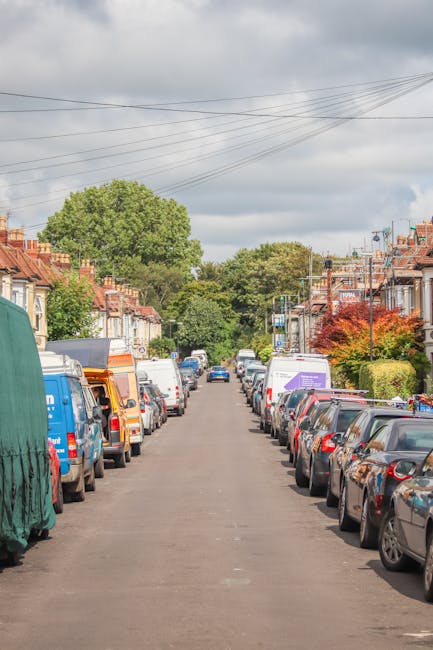
Coldharbour Lane removals loading and parking rules for SE19
If you are planning a move on or around Coldharbour Lane, the loading bay question tends to appear very quickly. Where can the van stop? How long can it stay there? Will the corner by the shopfront be fine for a quick unload, or will it turn into a ticket-shaped headache before you have even found the kettle? Coldharbour Lane removals loading and parking rules for SE19 matter because this stretch of road can be busy, tight, and less forgiving than people expect.
In practical terms, a good move here is usually about timing, space, and being a little more organised than the average moving day. The aim of this guide is simple: help you understand the local loading and parking realities so you can plan a safer, smoother move, avoid unnecessary penalties, and keep the whole thing feeling manageable rather than chaotic.
We will cover the basics, the common mistakes, how to prepare, and what a sensible moving-day plan looks like in SE19. A small warning, though: roads like Coldharbour Lane rarely reward guesswork.
Table of Contents
- Why Coldharbour Lane removals loading and parking rules for SE19 Matters
- How Coldharbour Lane removals loading and parking rules for SE19 Works
- Key Benefits and Practical Advantages
- Who This Is For and When It Makes Sense
- Step-by-Step Guidance
- Expert Tips for Better Results
- Common Mistakes to Avoid
- Tools, Resources and Recommendations
- Law, Compliance, Standards, or Best Practice
- Options, Methods, or Comparison Table
- Case Study or Real-World Example
- Practical Checklist
- Conclusion
- Frequently Asked Questions
Why Coldharbour Lane removals loading and parking rules for SE19 Matters
Coldharbour Lane sits in a part of South London where traffic, parking pressure, and mixed-use activity often overlap. That means a removal van stopping "just for a minute" can create more hassle than you might think. Delivery drivers, residents, tradespeople, and removal teams all want the same limited space, often at the same time. Bit of a queue in spirit, if not always in person.
For anyone moving in SE19, the rules around loading and parking are not just a formality. They affect whether your van can stop legally, whether your movers can work efficiently, and whether the removal takes two hours or stretches into half the day. If you are trying to move from a flat, a Victorian terrace, or a shared house, the curbside plan often matters as much as the packing plan.
It also matters because mistakes here are expensive in a very annoying way. A parking charge or failed access arrangement can ripple through the day: delayed uplift, extra carrying distance, more fatigue, and in some cases extra labour time. Nobody wants a moving day that starts with a warning notice flapping under the wiper in the breeze. Not ideal.
There is also the simple reality of local street layout. Coldharbour Lane can be busy at peaks, and nearby junctions, bus routes, crossings, dropped kerbs, and resident parking bays can all narrow your options. Understanding the rules early lets you plan around the road rather than improvising in it.
How Coldharbour Lane removals loading and parking rules for SE19 Works
The exact restrictions you face can vary depending on the side of the road, the time of day, and whether the space is marked for residents, pay-by-phone parking, loading only, or another use. That is why planning has to be specific rather than generic. "There's probably room" is not a plan. It is a hope.
In practice, removal access usually comes down to four things:
- Where the vehicle can legally stop without blocking traffic or entering a restricted bay.
- How long it can stay in a loading area or parking space before enforcement may apply.
- What is being loaded, because some restrictions allow short loading activity while others do not.
- How much space the crew needs to safely move furniture, boxes, and appliances in and out of the property.
If you are using a removal van, the best approach is to think in phases. First, identify whether the property can be accessed directly from the street. Next, consider whether the vehicle will be parked for active loading only or left longer while the home is emptied. Finally, look at how far items will need to be carried from the door to the van. Even an extra 20 metres can feel much longer when you are carrying a wardrobe panel down a narrow path in drizzle.
For SE19 moves, this often means making decisions before moving day rather than during it. Some properties are fine with a standard loading stop. Others need a more deliberate arrangement because the kerbside space is limited or because a neighbour's driveway, gate, or bay could be affected. A calm five-minute check beforehand usually saves an hour of frustration later.
One useful point: loading rules and parking rules are not the same thing. Loading usually refers to the active transfer of goods, while parking means a vehicle is left stationary without immediate loading or unloading activity. That distinction matters. If a van stops and nothing is being moved, the position may be treated differently by enforcement officers. It's a small distinction with very large consequences.
Key Benefits and Practical Advantages
Getting the loading and parking plan right on Coldharbour Lane gives you more than legal peace of mind. It improves the whole move from the first box to the last lamp shade.
- Less delay because the van is positioned more efficiently.
- Lower risk of penalties from avoidable parking or loading mistakes.
- Smoother handling of heavy items when the walking route is shorter.
- Better safety for movers, residents, and pedestrians.
- Less stress on the day, which is no small thing when everything else is in cardboard.
There is also a practical cost benefit. If movers spend less time carrying items long distances or re-parking because the first spot is wrong, the job often becomes more efficient. In many moves, especially apartment or terrace moves, the loading position is one of the biggest variables in overall pace.
Another advantage is neighbour relations. A thoughtful parking plan reduces friction. You are far less likely to block a driveway, hinder bin collection, or leave someone unable to get out for the school run. That sounds basic, but on a busy London street, courtesy counts for a lot.
Expert summary: The best Coldharbour Lane move is usually not the one with the biggest van. It is the one with the clearest access plan, the safest lift route, and the least uncertainty at the kerb.
Who This Is For and When It Makes Sense
This topic is relevant to a wide range of people, not just those moving a full house. If you live, work, or manage property in SE19, the loading and parking setup can affect you more often than you might expect.
It makes sense for:
- Home movers relocating from a flat, maisonette, or house near Coldharbour Lane.
- Landlords arranging tenant changeovers or end-of-tenancy clearances.
- Students or sharers moving a small amount of furniture.
- Families handling a larger move with multiple bulky items.
- Businesses needing short-notice loading support or commercial removals.
- Anyone booking a man and van or a full removal team where roadside access matters.
It also matters if you are moving awkward items such as sofas, beds, wardrobes, pianos, or white goods. These are the items that make a narrow street suddenly feel narrower. Truth be told, the same road can feel perfectly manageable with five boxes, then impossible once a fridge-freezer appears.
If your move is larger, consider whether you need a more structured service such as house removals or even office removals for business premises. The bigger the load, the more important roadside planning becomes.
Step-by-Step Guidance
Here is a practical way to handle Coldharbour Lane loading and parking without turning the day into a guessing game.
- Survey the street in advance. Look for yellow lines, resident bays, loading areas, dropped kerbs, bus stops, and any signs that affect stopping or waiting.
- Measure access at the property. Check doorway width, hallway turns, stairwells, front steps, and whether furniture can be removed without damage.
- Choose the right vehicle size. A bigger van is not always better if the road is tight or parking is limited.
- Decide whether you need short-term loading only or longer staged access. A full house move may need the van positioned differently from a single-item pickup.
- Prepare items in the order they will leave. Bulky pieces first usually help, but only if the route is clear.
- Tell the movers what the street is like. If access is awkward, say so early. A good crew will adjust quickly.
- Keep essentials separate. Do not bury keys, chargers, documents, or kettle supplies at the bottom of the van. You will regret it by tea time.
- Build in a small time buffer. A five-minute overrun is common; a one-hour parking issue is not.
One practical trick: if you know the van will need to be parked a little way from the door, create a "carry zone" inside the property. Keep packed boxes near the exit, label anything fragile clearly, and leave a clear path from the front room to the door. Simple, yes. Effective too.
Expert Tips for Better Results
A few field-tested habits can make a very real difference on streets like Coldharbour Lane.
First, time the move carefully. Early morning often gives you a better chance of space and less traffic, while midday can be busier and more stop-start. That does not mean early is always best for every household, but if you have flexibility, it is worth considering.
Second, do not assume the nearest bay is the best bay. A legal spot that forces long carries or awkward crossings may be worse than a slightly farther one that allows cleaner unloading. Safety and efficiency go together here.
Third, protect the building as much as the van. Hallways, bannisters, and door frames take knocks when movers are rushing. Blankets, corner guards, and good lifting technique matter more than people think. This is the boring part that saves a lot of pain later.
Fourth, communicate the loading plan clearly. If one person is guiding the vehicle while another is bringing items down, keep signals simple. A raised hand or a quick call beats shouting across the pavement every time. Not glamorous, but it works.
Fifth, think about weather and surface conditions. A damp pavement in the morning, a wet ramp after a shower, or a late-afternoon wind can all affect pace and safety. London moving day weather likes to keep you humble.
If you are booking a wider package, services such as packing and unpacking services can reduce the number of last-minute decisions you need to make. That can be surprisingly helpful if you are juggling work, childcare, or just the general noise of life.
Common Mistakes to Avoid
Most loading and parking problems are avoidable. They usually come from rushing, assuming, or not checking the obvious things early enough.
- Assuming loading is always allowed. Some bays and restrictions are stricter than people expect.
- Leaving vehicle positioning until the last minute. If the van arrives before the plan is clear, stress levels go up fast.
- Blocking a dropped kerb or driveway. Even a short block can create a neighbour dispute or a complaint.
- Underestimating carry distance. What looks like "just around the corner" can become several heavy trips.
- Forgetting about stair access and turning space. This is especially common in older SE19 homes.
- Not separating fragile or urgent items. That leads to rummaging at the worst possible moment.
- Trying to move too much with too little help. You can do that in theory. In practice, it gets messy.
One of the most common errors is treating the parking plan as an admin task rather than a moving-day priority. In reality, it is part of the move itself. If the van cannot stop safely, the rest of the operation slows down or stops completely. A good plan makes the whole job feel calmer, and calmer usually means quicker too.
Tools, Resources and Recommendations
You do not need a giant toolkit for a local move, but a few practical items make life easier.
- Printed floor plan or room list so items can be placed in the right rooms quickly.
- Labels and marker pens for boxes, especially if the move involves multiple floors.
- Blankets, straps, and tape to protect furniture and keep items stable in transit.
- Phone notes or screenshots of parking signs, access notes, and contact numbers.
- Gloves and sturdy footwear for safer lifting and carrying.
If you need transport support, a good choice is often a service that can adapt to street conditions, such as removals or removal services depending on the scale of the job. For smaller, faster jobs, man with a van arrangements can be a practical fit when access is tight and speed matters.
If sustainability is part of your plan, especially for furniture or items being cleared, the page on recycling and sustainability is worth a look. A move is often a good time to avoid waste and think carefully about what actually needs to travel with you.
Law, Compliance, Standards, or Best Practice
For loading and parking on Coldharbour Lane, the safest approach is to follow the signed restrictions on the street and the local rules that apply at the time of the move. Council-controlled roads can change by bay type, permit zone, time band, or operational restriction, and you should never assume that a rule on one side of the street applies to the other side. It often does not.
Best practice in the removals trade is to treat roadside access as a compliance issue, not just a convenience issue. That means checking the signage, keeping records of the plan where helpful, and making sure drivers know whether they may stop only for active loading or whether a longer park is permitted. If in doubt, err on the side of caution. A quick extra walk from a legal bay is usually better than a ticket.
There is also a safety angle. Good practice in moving work includes safe lifting, clear walkways, stable loading, and not overloading the vehicle. Our own health and safety policy reflects that practical mindset: protect people first, then property, then the clock. That order matters more than people admit.
For booking and service expectations, it also helps to review terms and conditions and insurance and safety information before moving day. That is not because every move is complicated. It is because the stressful ones usually become complicated very quickly.
Options, Methods, or Comparison Table
Different access strategies suit different kinds of moves. The table below gives a plain-English comparison.
| Method | Best for | Pros | Trade-offs |
|---|---|---|---|
| Short loading stop near the property | Small to medium moves with clear roadside access | Fast, simple, less carrying | Depends heavily on legal stopping space |
| Park in a nearby legal bay and carry items | Tight streets or busy periods | Lower risk of penalty, more predictable | Longer carry distance, more physical effort |
| Staged loading with a smaller vehicle | Limited access or narrow roads | Easier positioning, less street disruption | May require more trips |
| Full removal crew with pre-planned access | Larger house or office moves | More organised, usually faster overall | Needs stronger planning and coordination |
Which approach is best? That depends on the property, the street conditions, and how much you are moving. A first-floor flat with a long stair run may benefit from a different setup than a ground-floor pickup. There is no one-size-fits-all answer, despite what some moving-day optimism might suggest.
Case Study or Real-World Example
Picture a typical SE19 move on Coldharbour Lane: a two-bedroom flat, a sofa, bed frames, a washing machine, and a stack of boxes. The resident assumes the van can stop right outside for an hour. On the day, the curbside space is already taken, the nearest marked area is limited, and the street is busier than expected. Suddenly, everyone is carrying items farther than planned, and the clock starts ticking harder.
Now compare that with a move that was prepared properly. The homeowner checked the street layout the day before, identified a legal loading option, packed the heavy items first, and kept the path to the front door clear. The van stopped legally, the team worked in sequence, and the move finished without an avoidable parking drama. Same street. Same furniture. Very different experience.
We have seen that kind of difference again and again. It is rarely about luck alone. It is usually about the boring, sensible prep that nobody feels like doing at 9pm the night before. But that is the game, really.
Practical Checklist
Use this checklist before your move on or around Coldharbour Lane.
- Confirm the property address and exact pickup time.
- Check local parking signs and loading restrictions on both sides of the road if relevant.
- Decide whether the van needs a short loading stop or a longer park nearby.
- Measure the main furniture items and note any awkward turns or stairs.
- Pack and label boxes so the priority items come out first.
- Keep keys, documents, chargers, and valuables in a separate bag.
- Protect floors, bannisters, and door frames if the route is tight.
- Tell neighbours if the move may affect access for a short while.
- Have a backup plan if the first parking option is unavailable.
- Keep the driver informed if the street layout changes or gets busier.
Quick takeaway: if you know where the vehicle can stop, how long it can stay, and what path the furniture will take, you are already ahead of most moving-day problems.
Conclusion
Coldharbour Lane removals loading and parking rules for SE19 are really about one thing: making sure the move can happen safely, legally, and without unnecessary last-minute scrambling. On a street where space can be tight and traffic can be unpredictable, the right loading plan is more than a convenience. It is part of the move's success.
The good news is that this is very manageable with a bit of preparation. Check the signs, think about the route, match the vehicle to the access, and leave yourself a small margin for the unexpected. That is usually enough to turn a stressful day into a controlled one. Not perfect, maybe. But controlled. And on moving day, controlled is a win.
If you want support with a local move, a larger house removal, or a tricky access job near Coldharbour Lane, it pays to speak with a team that understands the street-level details and can plan around them properly.
Get a free quote today and see how much you can save.
Frequently Asked Questions
Can a removals van stop on Coldharbour Lane for loading?
Sometimes, yes, but only if the space and the signed restrictions allow it. The exact position matters, and loading must usually be active and direct. Do not assume a brief stop is automatically fine.
How do I know if a parking bay can be used for a move?
Check the signs on the bay itself and look for time limits, loading permissions, permit requirements, or operational hours. If a bay is marked for a different use, it may not be suitable for removals even if it looks empty.
What is the difference between loading and parking?
Loading means goods are being moved in or out of the vehicle. Parking means the vehicle is left standing without that active transfer. Enforcement often treats those situations differently, so the distinction is important.
Should I book a larger van to save trips?
Not always. A larger van can reduce trips, but it can also be harder to position on a busy street. On a road like Coldharbour Lane, the right size is the one that fits the access as well as the load.
What happens if I cannot park directly outside the property?
You may need to use the nearest legal space and carry items a little farther. That is common in SE19. A sensible fallback plan is better than waiting for the perfect space that never appears.
How early should I plan loading and parking for a move?
As early as possible, ideally before the moving day. Even a quick recce can help you spot restrictions, awkward corners, or better stopping points. A five-minute check can save a lot of trouble.
Are weekend moves easier on Coldharbour Lane?
Sometimes, but not always. Weekends may be quieter in one sense and busier in another, depending on local activity, residential parking, and nearby destinations. It is best to assess the street, not rely on a blanket rule.
Can movers help with access planning?
Yes, a good removals team should be able to advise on vehicle positioning, carry distance, and how to sequence the load. If access looks awkward, mention it early so the plan can be adjusted.
What items are most affected by poor parking access?
Heavy or bulky items such as sofas, beds, wardrobes, fridges, and washing machines tend to suffer most because they need more space and more careful handling. Extra carry distance makes those jobs harder quickly.
Is it worth using a smaller vehicle for a local SE19 move?
Often, yes, if the street is tight or parking is limited. A smaller vehicle can be easier to place legally and may make the job smoother overall, even if it means a slightly different loading strategy.
What if the loading space is taken on arrival?
Have a backup plan. Use the nearest legal alternative, keep the movers informed, and avoid blocking access while waiting. That flexibility is usually the difference between a delay and a full-scale problem.
Where can I find help for a move that needs careful parking planning?
Look for a removals provider that understands local access issues and offers clear pre-move guidance. If you need a straightforward quote or service advice, the best next step is to review the relevant moving options and speak to the team before the day arrives.