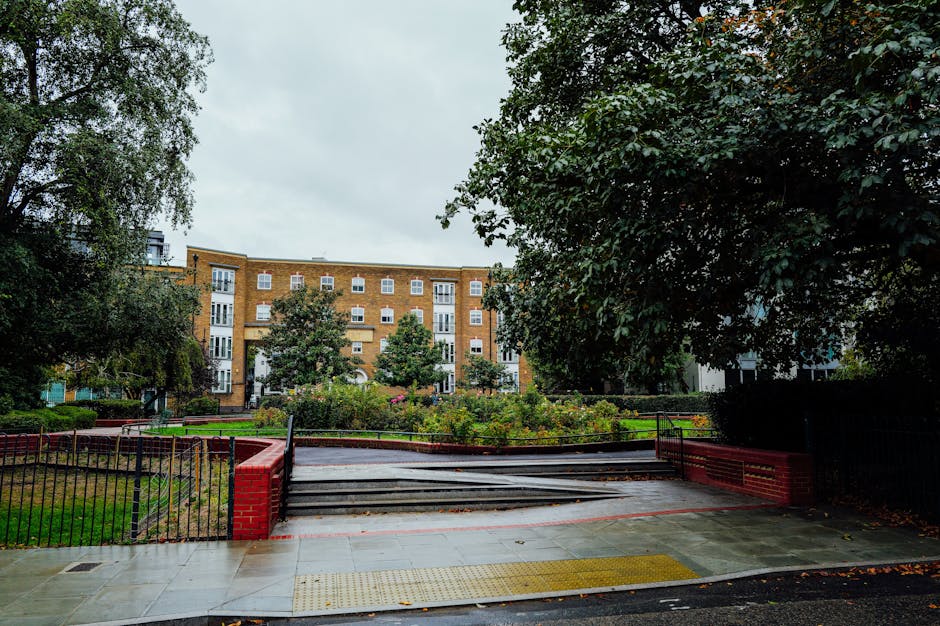
Gipsy Hill removals for Central Hill terraces access guide

If you are planning a move in or around the Central Hill terraces, you already know the issue is not just the packing. It is the access. Narrow approaches, stepped entrances, shared paths, tight turning points, and the general reality of moving furniture through a terrace can make an otherwise simple job feel strangely complicated. This Gipsy Hill removals for Central Hill terraces access guide is here to help you plan the move properly, avoid the usual pinch points, and make the day feel manageable rather than chaotic.
Whether you are moving from a top-floor flat, a terrace with a steep front path, or a home tucked behind a communal walkway, the key is preparation. A good move here is rarely about brute strength. It is about timing, route planning, parking sense, and knowing what needs to be measured before the van turns up. Let's walk through it in a way that is practical, local, and actually useful.
Why Gipsy Hill removals for Central Hill terraces access guide Matters
Central Hill terraces are the kind of place where a move can go smoothly for 90% of the day and then stall at the front steps for 30 minutes because a sofa will not fit round a corner. That sounds small until you are the one carrying it. In practice, access is often the deciding factor between a tidy, efficient removal and a stressful one.
Why does it matter so much? Because access controls almost everything: what vehicle can get close, how many trips are needed, whether larger items must be dismantled, and how many people should be on site. Even a short-distance local move can take longer if the route from property to van is awkward. And yes, that includes those classic London details: parked cars, narrow roads, limited loading space, and the occasional awkward neighbour's hedge that somehow takes up half the pavement.
If you are comparing providers, it is worth looking beyond just the quote. A helpful team will think in terms of route, load order, parking, and protection, not simply "we have a van". That is where a proper move stands out. If you want to understand the wider service approach, you can also review removal services and see how a structured move differs from a last-minute lift-and-shift.
Expert summary: In terrace moves, access planning is not a nice extra. It is the core job. Measure first, park sensibly, protect the route, and decide early whether the move needs a bigger team or a smaller van with better manoeuvrability.
How Gipsy Hill removals for Central Hill terraces access guide Works
A successful terrace move usually follows a simple logic. First, you assess access. Then you match the van, team size, and handling plan to the property. After that, you sequence the move so the largest or most fragile items are dealt with safely, not shoved into the van at random. Sounds obvious. It often is not.
For Central Hill terraces, access may include several separate points to check:
- street parking distance from the front door
- number of steps or level changes at the entrance
- width of hallways, landings, and stair turns
- door clearances, especially for wardrobes, beds, and sofas
- shared pathways, railings, or front garden walls
- turning room for a van on a local road
Once these details are known, the move can be planned around them. For example, a long front path may mean using more protective flooring and a trolley. A narrow stairwell may mean dismantling beds or removing table legs before moving day. A vehicle that is too large for the road may look efficient on paper but create more hassle than it solves. Not ideal, clearly.
For smaller or more flexible jobs, a man with van approach can be a good fit. For heavier home moves, a more fully equipped setup may be better suited, especially if multiple large items must pass through a tight terrace route. If you are in the early decision stage, the broader home moves page is a useful place to think about the scale of the job.
Key Benefits and Practical Advantages
The main benefit of planning terrace access properly is simple: fewer surprises. That matters more than people realise. A move that looks straightforward on a screen can become awkward the moment a mattress meets a bend in the staircase. Good access planning reduces friction everywhere.
- Less risk of damage: walls, banisters, doors, and furniture are easier to protect when the route is known in advance.
- Better time control: you can estimate load and unload times more accurately when the access route is mapped out.
- Smarter van choice: not every move needs the largest vehicle. Sometimes a smaller van is easier to park and quicker overall.
- Fewer lifting problems: if items need dismantling or two-person handling, you can prepare properly.
- Less stress on the day: there is something calming about already knowing the awkward bit. Truth be told, that matters a lot.
There is also a trust benefit. A mover who asks the right access questions is showing real-world awareness. They are not guessing. That can be particularly helpful in Central Hill, where terrace layouts vary and there is rarely a one-size-fits-all approach. If you are comparing providers, it may help to review removal company information so you know what level of planning and responsibility to expect.
Who This Is For and When It Makes Sense
This guide is for anyone moving from or to a terrace property where access is not completely open and obvious. That includes tenants, homeowners, landlords arranging a changeover, and people moving a few streets away but still dealing with the same stair-heavy, path-heavy reality.
It makes particular sense if any of the following apply:
- you have a narrow staircase or awkward landing turn
- your front entrance is set back from the road
- your furniture is large, heavy, or difficult to dismantle
- you expect parking constraints near the property
- you are moving on a busy day and need the job completed efficiently
- you want to reduce the chance of scuffs, scratches, or delay
It is also useful if you are not sure whether you need a full removal team or a lighter man-and-van arrangement. That is a common crossroads. For smaller moves, collections, or single-item jobs, the flexibility of man and van or man with a van can be a sensible starting point. For bigger homes, a more comprehensive option may be more efficient overall. The trick is matching the service to the access, not the other way round.
A small human detail here: people often assume the hard part is the lifting. Often it is the route. A perfectly manageable sofa becomes a problem because the hallway bends at exactly the wrong angle. Happens all the time.
Step-by-Step Guidance
Here is a practical way to plan a Central Hill terrace move without turning the day into a guessing game.
1. Measure the route, not just the rooms
Measure furniture dimensions, door widths, staircase widths, and the tightest turn in the property. Include the route from the front door to the van, too. People forget this bit more often than you would think.
2. Identify the most difficult items early
Large wardrobes, sofas, beds, glass tables, and white goods usually cause the most trouble. Decide whether they need dismantling, extra wrapping, or a different carrying method. If you wait until moving morning, you are already behind.
3. Check parking and loading access
Look at where the van can stop safely. If parking is tight, decide whether a shorter loading distance is worth using a smaller vehicle or more portering. A move can look slower with a smaller van, but in a terrace setting that can be the faster choice. Counterintuitive, but true.
4. Protect the route before anything moves
Use floor coverings where needed, remove trip hazards, and make sure the hallway is clear. A clean path is not just tidy; it reduces slips, bumps, and last-minute panic.
5. Pack in load order
Start with heavy, stable items and keep fragile pieces separate. In a tight-access property, the order matters because you want the most awkward items handled while everyone still has energy and attention.
6. Keep one person in charge of decisions
Someone needs to answer questions quickly: what stays, what goes, what gets dismantled, where the keys are, and which box contains the kettle. The kettle question is always urgent, naturally.
7. Leave time for the unexpected
A neighbour may park badly. A mattress may need to be turned. A wardrobe may resist one final corner. Build a margin into the day so those moments do not derail everything.
If you want help with the physical side, house removals is the kind of service that can support full-property moves where access and handling both need attention. For a more hands-on moving and loading setup, movers can also be a sensible starting point when the job needs extra muscle and coordination.
Expert Tips for Better Results
Some of the best advice is boring, which is a shame, but also useful. The moves that go well usually have a few consistent habits behind them.
- Photograph awkward furniture in advance. Pictures help identify dismantling points and handling risks.
- Measure stair turns at the widest and narrowest points. That one extra measurement can save a lot of guessing.
- Label items by room and priority. It makes unloading far less messy, especially in terrace homes where access may force you to unload in stages.
- Keep valuables and essentials separate. Documents, chargers, medication, keys, and a change of clothes should not vanish into the main load.
- Wrap sharp corners and delicate edges well. Banisters and painted walls are not fond of accidental taps.
- Be realistic about the van size. Bigger is not always better if the road is cramped.
One practical observation from terrace jobs: the best moving days are usually the ones where the client has already cleared excess clutter. Old boxes, broken chairs, and "we'll decide later" piles do not help. They just steal space and focus.
And if there is office equipment or business stock in the mix, the same access logic applies. For working premises, commercial moves and office removals offer the right kind of planning mindset, even when the building layout is a bit less forgiving than expected.
Common Mistakes to Avoid
The same mistakes crop up again and again in terrace removals. A few are easy to fix, once you know what to look for.
- Booking without checking access. This is the big one. If the mover does not know the route, they cannot plan well.
- Assuming all vans are the same. They are not. Parking, height, length, and loading style all matter.
- Leaving dismantling until the last minute. Beds and wardrobes can eat into the schedule fast.
- Overpacking boxes. Heavy boxes become awkward on stairs and increase the chance of strain or dropping.
- Ignoring hallway clutter. A narrow terrace hallway is not the place for spare bags, shoes, and loose cables.
- Forgetting the unloading route at the destination. Yes, the new place matters too. That is often forgotten in the rush.
A smaller mistake, but still annoying: not telling the mover about unusually heavy items like cast-iron garden furniture, pianos, American-style fridge freezers, or oversized mirrors. These pieces need a different plan. If they are left as a surprise, the day gets harder than it needs to be. Nobody wants that.
Tools, Resources and Recommendations
You do not need a giant toolkit for a terrace move, but a few practical items make a real difference.
| Item | Why it helps | Best use in Central Hill terraces |
|---|---|---|
| Measuring tape | Checks furniture, doors, and stair widths | Before booking and before dismantling |
| Floor protection | Reduces scuffs and dirt transfer | Hallways, landings, and front steps |
| Furniture blankets | Protects corners and polished surfaces | Sofas, tables, wardrobes, mirrors |
| Straps and trolleys | Makes carrying safer and more controlled | Longer routes from terrace to van |
| Labels and marker pens | Speeds up unloading and room placement | Multi-room house moves |
For many people, the most useful recommendation is simply to ask for an honest assessment before moving day. That might mean a quick walkthrough, a set of photos, or a careful list of items. If the job looks borderline, you may want to consider removals rather than trying to squeeze everything into the cheapest-looking option. In the long run, the better plan usually costs less in stress.
If sustainability matters to you, it is also worth thinking about what should be reused, donated, or responsibly disposed of before the move. The site's recycling and sustainability information is relevant if you are clearing out items and trying to avoid waste. A move is often the perfect moment to reduce clutter. Bit by bit, it adds up.
Law, Compliance, Standards, or Best Practice
For most home moves, the practical focus is less about formal law and more about working safely and responsibly. Still, there are some recognised UK best practices worth keeping in mind. Removal work should be carried out with proper attention to manual handling, safe loading, route safety, and insurance cover. That is especially true where stairs, tight turns, or shared access points are involved.
If a mover is handling your possessions, it is reasonable to ask how they approach safety, liability, and damage prevention. You are not being difficult. You are being sensible. It also helps to review internal company policies where available, such as health and safety policy, insurance and safety, and terms and conditions. Those pages can give you a clearer idea of how the business handles risk, payments, and responsibilities.
For anyone concerned about access for customers, visitors, or occupants with reduced mobility, the practical point is to avoid assumptions. Safe access needs to be considered on the actual site, not guessed from a phone call. If you need reassurance about wider website or service accessibility information, the accessibility statement can also be a helpful trust signal.
Best practice in terrace removals is simple enough: communicate clearly, assess honestly, and do not overload people or vehicles beyond what the property access can comfortably support.
Options, Methods, or Comparison Table
If you are deciding how to manage a Central Hill terrace move, the best option depends on access, item size, and how much help you want on the day. Here is a straightforward comparison.
| Option | Best for | Strengths | Possible drawbacks |
|---|---|---|---|
| Man and van | Smaller moves, single rooms, lighter loads | Flexible, often easier to park, good for tighter roads | May be less suitable for large family homes or bulky furniture |
| Full removals service | Whole-house moves and complex access | More support, better for heavier items, stronger planning | Can be more involved to arrange |
| Office or business move | Commercial premises and equipment | Structured approach, better for time-sensitive relocation | Needs careful pre-planning and coordination |
For some readers, the choice is obvious. If the route is tricky and the furniture is manageable, a smaller setup can be the neatest solution. If the property is full, awkward, and upstairs, a more complete service is usually better. You can also compare related options such as man with van removal and house movers if you are weighing flexibility against full support.
Case Study or Real-World Example
Here is a realistic example from the sort of job that comes up all the time in terrace areas. A couple were moving from a Central Hill terrace into a new place a few streets away. The property looked simple from the outside, but the front path was narrow, the staircase bent sharply on the first landing, and the sofa had an oversized armrest that made every corner feel a bit too small.
Instead of trying to force everything through on the day, they measured the sofa, checked the route, and separated the move into three parts: dismantle the bed the night before, wrap the sofa carefully, and keep the fragile boxes in the first load so they were not buried under heavier items. The van parked as close as possible, and the team used extra care at the turn in the hallway. No drama. No damage. No frantic "does this fit?" moment halfway up the stairs.
That is usually how good terrace moves go. Not with heroics, but with a sensible plan. Small decisions made early save a surprising amount of trouble later. And honestly, the quiet satisfaction when the last box comes out and everything is still intact? Quite nice.
Practical Checklist
Use this checklist before moving day. It is simple, but it covers the awkward bits that tend to get missed.
- Measure the widest furniture items
- Check doorways, stair turns, and hallway widths
- Confirm the walking route from property to van
- Decide whether items need dismantling
- Identify fragile or high-value pieces
- Clear the hallway, landing, and front steps
- Reserve or check parking and loading space
- Pack an essentials bag for day-one access
- Label boxes by room
- Keep keys, documents, and chargers separate
- Review safety, insurance, and terms before the move
- Allow extra time for access delays
If you are still at the planning stage and need a more general moving service overview, the removal services page can help frame what level of support you actually need. And if you are comparing cost and scope, the pricing and quotes information is a sensible next stop before you commit.
Conclusion
Moving in Central Hill terraces is very doable, but it rewards preparation. Once you understand the access, the rest becomes much easier: the van choice, the packing order, the route protection, and the timing all start to make sense. That is really the heart of this Gipsy Hill removals for Central Hill terraces access guide. It is not about making the move complicated. It is about making the complicated bits manageable.
If you remember only one thing, let it be this: measure early, plan the access carefully, and choose the moving setup that fits the property rather than the other way round. It saves time, avoids damage, and makes the day feel calmer from start to finish.
Get a free quote today and see how much you can save.
And if the day still feels a bit daunting, that is normal. A good move is one where the details are handled before they become problems, and that peace of mind is worth a lot.
Frequently Asked Questions
What makes Central Hill terrace removals different from a standard house move?
The main difference is access. Terraces often involve narrow hallways, stairs, tighter parking, and a shorter loading route, which means the move needs more planning than a straightforward front-drive property.
Do I need to measure everything before booking?
You do not need to measure every mug, but you should measure large furniture, door widths, stair turns, and the route between the property and the vehicle. Those measurements usually determine whether items can be moved safely.
Is a man and van suitable for a Central Hill terrace move?
Yes, often it is, especially for smaller loads or shorter moves. If the property has tricky access but the item count is limited, a flexible setup can work very well. For larger homes, a fuller removals service may be better.
What if parking near the terrace is limited?
That is common. The mover may need to work with the nearest safe stopping point, which can increase the carrying distance. In that case, access planning and load sequencing become even more important.
Should I dismantle furniture before moving day?
If a large item is even slightly awkward, it is usually worth dismantling it in advance or checking whether it can be dismantled safely. Beds, wardrobes, and some tables are the usual candidates.
How can I protect the hallway and stairs?
Clear the route first, then use floor protection or coverings where needed. It is also sensible to wrap corners, doorframes, and delicate surfaces that are likely to get brushed during the move.
What should I tell the removals team before the job starts?
Tell them about access limits, parking issues, heavy items, awkward furniture, fragile pieces, and any stairs or steps they should expect. The more honest the brief, the smoother the move tends to be.
Is it better to use a smaller van for terrace streets?
Sometimes, yes. A smaller van can be easier to park and manoeuvre in tight streets. The best choice depends on how much you are moving and how easy it is to load from the property.
What are the biggest mistakes people make on moving day?
The biggest ones are underestimating access, leaving packing too late, failing to dismantle large furniture, and not clearing the route. Those four issues cause most of the avoidable stress.
Can removals help with fragile or high-value items?
Yes, but only if they know about them early enough to plan the handling properly. Fragile items should be packed, labelled, and separated so they are not squeezed into awkward spaces.
What if my move also includes office equipment or stock?
Then the planning should include commercial considerations as well as domestic access. In that situation, it may be worth looking at office relocation services or commercial moves depending on the scale of the job.
How do I know which removals page is right for my situation?
If you are moving a full household, start with house removals or house movers. If the job is smaller and access is the main issue, man and van or removals near me may be the better fit for next steps.