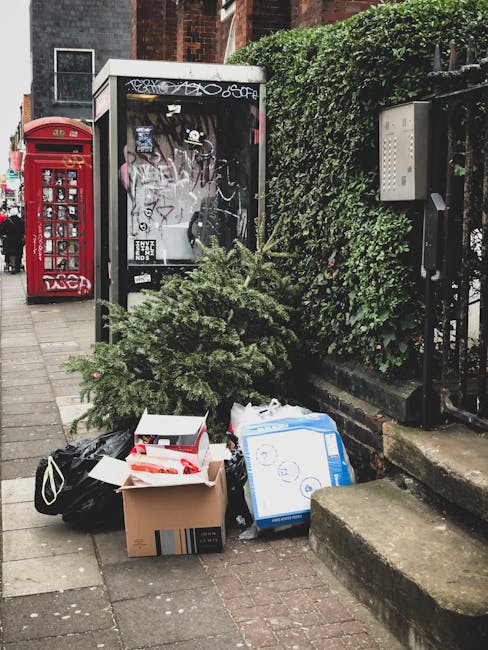
Bulky waste in SE19: when the council handles disposal
Posted on 10/06/2026
If you live in SE19 and you are staring at a sofa, mattress, wardrobe, or old appliance that simply will not fit in the car, you are probably asking the same practical question: can the council take it away, or do you need another route? That is exactly what this guide on Bulky waste in SE19: when the council handles disposal is here to clear up. The short version? Council collection can be a very sensible option for certain items, but only if your waste matches the council's rules, timing, and booking process. If not, you can lose days shuffling things about. Nobody needs that.
Below, you will find a plain-English explanation of how bulky waste collections work, where the limits usually sit, what to do before booking, and when a private removal service is the better fit. For anyone planning a move or clearing out a flat, it can also help to read the decluttering game plan and how to prepare your house for a move cleanly so the bulky stuff does not become the last-minute headache.
Truth be told, bulky waste sounds straightforward until you are halfway through a clear-out and realise one item is acceptable, another needs dismantling, and a third may not be collected at all. Let's make it much simpler.
Why bulky waste in SE19: when the council handles disposal matters
Bulky waste is one of those household jobs that looks small on paper and somehow grows arms and legs by evening. In SE19, the question matters because space is often tight, access can be awkward, and items like old furniture or broken white goods can sit in hallways, front gardens, or shared entrances for far too long. That is messy, inconvenient, and in some homes, a safety issue.
There is also a practical side. If the council can handle disposal, you may avoid overpaying for a larger private clearance than you need. On the other hand, if you assume the council can take everything and book too late, your bulky item can linger for weeks. That is especially frustrating when you are preparing for a move, downsizing, or emptying a rental before check-out. A focused plan saves time and, honestly, a fair bit of stress.
For move-related clearances, bulky waste often sits right in the middle of a bigger chain of tasks: packing, lifting, sorting, and deciding what stays. That is why many people cross-reference the removal stage with advice like packing like a pro and furniture removals in Gipsy Hill so the disposal side and the transport side work together rather than against each other.
Expert summary: Council bulky waste collection is usually best for a small number of ordinary household items that fit the council's rules. If the load is awkward, urgent, heavy, or mixed with reusable furniture, a private clearance may be the smoother path.
How bulky waste in SE19: when the council handles disposal works
While exact details can vary by borough and by season, the process is usually fairly similar across London. You identify the item, check whether it is accepted, book a collection slot, place the item where the crew can safely reach it, and wait for collection day. Simple in theory. Less simple when your sofa blocks the stairwell and the lift is out. Life, eh?
What councils typically collect
Councils commonly accept large household items such as:
- sofas and armchairs
- beds and mattresses
- tables and chairs
- wardrobes and cabinets
- small appliances in some cases
- general household furniture
Items are usually expected to be clean, manageable, and free from hazards. Some councils separate electrical waste, gas appliances, or items with breakage risks. If an item contains refrigerants, chemicals, or other specialist materials, the rules get tighter. Do not guess. Check carefully.
What the council usually will not take
Common exclusions often include:
- building rubble and renovation debris
- soil, bricks, or heavy construction waste
- hazardous materials such as paint tins or solvents
- commercial waste
- large quantities of mixed junk
- items that are unsafe to lift or cannot be accessed properly
This is where many people get caught out. A single broken desk is one thing. A van full of mixed waste is another. If you have also been decluttering a property, a decluttering plan can help you separate the council-friendly items from the rest before you book anything.
How to place the items
Most council crews expect the bulky waste to be ready at a safe collection point, often outside the property or at a clearly accessible front area. That means no blocked staircases, no items hidden behind locked gates, and no last-second assembly required. If a wardrobe still needs dismantling, do that first. If a mattress is wet, contaminated, or badly damaged, say so when booking. Better a little awkwardness up front than a failed collection later.
Key benefits and practical advantages
Using the council for bulky waste disposal can be genuinely worthwhile in the right situation. It is not glamorous, but it is useful. Very useful, actually.
- Convenience: One booking can remove one or several awkward items without you hiring a vehicle.
- Lower effort: If the council accepts the item and you can move it safely to the collection point, there is less to organise.
- Suitable for one-off clear-outs: Ideal when you only have a small number of items after a room refresh or house move.
- Less clutter pressure: Getting the item out of the way can make packing, cleaning, or redecorating easier.
- Potentially cheaper: For a limited number of standard items, council collection can be more economical than a full private clearance.
There is also a psychological benefit, if that does not sound too dramatic. Once a bulky item is officially booked, the job stops sitting there staring at you every morning. That matters more than people think.
For items that are still usable, it can be worth thinking about reuse before disposal. The wider picture of sorting, recycling, and responsible handling is covered well in recycling and sustainability, which sits nicely alongside a waste-reduction mindset.
Who this is for and when it makes sense
Council bulky waste handling is not just for major house clearances. It can make sense for a few very different situations.
It suits you if you have:
- one or two large household items to remove
- a flat or maisonette with limited storage
- old furniture left after replacing a bed, sofa, or wardrobe
- a rented property that needs to be left empty
- an item that is too large for normal household bins
- time to plan the collection rather than needing instant clearance
It may not suit you if you have:
- a tight deadline, such as end-of-tenancy day
- multiple rooms of mixed unwanted items
- heavy or awkward objects that are difficult to move safely
- items needing dismantling, wrapping, or specialist handling
- bulky furniture that still has some resale or donation value
If you are in the middle of moving, bulky waste can easily become part of the moving chain rather than a separate job. A sofa that will not fit through the landing may need more than council disposal; sometimes it needs careful moving first, then disposal or storage. In those cases, a guide like moving a bed and mattress safely or sofa preservation during long-term storage can help you decide what to keep, move, or let go.
Step-by-step guidance
If you want the council to handle bulky waste disposal smoothly, a tidy process is your best friend. Not perfect. Just tidy enough to avoid annoying delays.
- Identify each item clearly. Write down what you have: sofa, chest of drawers, mattress, broken unit, or appliance. Be specific.
- Check whether the item is eligible. Councils often have item-by-item rules. Don't assume a heavy thing is automatically accepted.
- Separate waste from reusable goods. If one chair is usable and another is not, decide now. It can save confusion later.
- Dismantle where needed. Flat-pack furniture, bed frames, and wardrobes are often easier to handle once broken down.
- Measure access. Think about doors, stairs, side gates, parking restrictions, and whether the collection point is actually reachable.
- Book the collection early. Give yourself room for a missed slot, weather, or a surprise snag. Because there is usually one.
- Place the items exactly where requested. If crews cannot get to them safely, the collection may be refused.
- Keep the area clear on collection day. That means bins moved aside, cars out of the way, and no loose rubbish spread around.
- Take a final photo if needed. This can help if you are leaving a property and want a simple record of what was removed.
A small but useful note: if your bulky item is really a moving problem disguised as a waste problem, don't force it. Some jobs are better handled by a team with the right lifting equipment and vehicle access, especially when stairs and narrow hallways are involved. That is where man and van support or removals in Gipsy Hill can become the more practical option.
Expert tips for better results
After plenty of real-world clear-outs, a few habits make bulky waste collections far less painful.
- Book before you need it. If you are moving out, wait and you risk a timing clash with cleaning, keys, and final checks.
- Photograph awkward items. A picture helps you check whether the item matches the council's rules.
- Remove loose parts. Cushions, shelves, glass panels, drawers, and legs should be detached where sensible.
- Keep wet or contaminated items separate. Nobody wants a damp mattress mixed with decent furniture.
- Protect floors and shared hallways. Old furniture can scrape walls on the way out. A few minutes of care avoids complaints.
- Use the move as a sorting moment. If you have not used it in years, ask yourself honestly whether it should be moved again.
One practical observation from busy homes: bulky items are often only "bulky" because they were never properly dismantled in the first place. A wardrobe reduced to parts suddenly becomes manageable. Not always easy, but manageable. That distinction matters.
If you are dealing with larger items that need extra muscle, it may help to review safe lifting guidance such as lifting heavy items safely and kinetic lifting principles. Even if you never use the jargon again, the core idea is simple: do not twist, rush, or solo-lift something your back already dislikes.
Common mistakes to avoid
Most collection problems come down to a handful of avoidable mistakes. The good news is that they are easy to dodge once you know what they are.
- Leaving booking too late: This is the big one. End-of-tenancy deadlines and busy council slots do not mix well.
- Assuming every bulky item is accepted: Councils have limits, and they are not always obvious from the outside.
- Putting items out too early: This can cause complaints, obstruction, or weather damage.
- Blocking access: A van cannot safely collect what it cannot reach.
- Mixing good furniture with damaged waste: If you want reuse, keep reusable items clean and separate.
- Ignoring weight and safety: A sofa at the top of a stairwell is not something to "just drag a bit".
There is also the everyday mistake of treating disposal and relocation as the same job. They overlap, yes, but they are not identical. A sofa that is going into storage needs different handling from one that is going to collection. If you are unsure which way to go, browsing service options overview can help you see the bigger picture without making any rushed decisions.
Tools, resources and recommendations
You do not need a shed full of equipment to handle bulky waste properly, but a few basics make life easier.
- Tape measure: Useful for checking access and item size.
- Screwdriver or basic tool kit: Handy for dismantling bed frames, tables, and shelving.
- Heavy-duty gloves: Good grip and less risk from splinters, sharp edges, or dusty surfaces.
- Furniture blankets or old sheets: Useful for protecting walls and door frames.
- Marker pen and labels: Helps you separate what is to be collected, kept, sold, or recycled.
- Phone camera: Great for documenting items and booking details.
For people managing a move alongside bulky waste, storage can be a lifesaver. It gives you breathing room when you are not ready to dispose of something but cannot leave it in the property either. If that sounds like your situation, storage in Gipsy Hill is worth keeping in mind.
And if your bulky item is also tied to a stressy moving day, it can help to read how to relocate your home with zero stress and a local checklist for packing bulky items. The local details can be the difference between a job that flows and one that feels like a badly stacked puzzle.
Law, compliance, standards, or best practice
Bulky waste disposal touches on a few important expectations, even when you are just clearing out a household. The most important one is simple: waste should go to the right place, handled by the right route, and not dumped unofficially. In the UK, householders still have a responsibility to ensure waste is handed over properly. That means checking who is taking it and whether the collection method is legitimate.
From a best-practice point of view, councils and professional removal teams usually expect:
- clear item descriptions
- safe access to the items
- non-hazardous waste unless explicitly accepted
- reasonable preparation, such as dismantling where needed
- honest declaration if the item is damaged, contaminated, or unusually heavy
Safety matters too. Lifting large furniture through shared stairwells or narrow entrances can cause injuries and property damage very quickly. If the item is too awkward for one person, that is not a test of character. It is a sign to slow down and choose a safer method. The same principle is reflected in insurance and safety guidance and the practical expectations set out in health and safety policy information.
Another point worth saying plainly: if your item contains electrical components, sharp metal, glass, or fluid residue, treat it with extra care. Best practice is not about making disposal complicated. It is about preventing avoidable trouble. Quite sensible, really.
Options, methods, or comparison table
When you are deciding what to do with bulky waste in SE19, there are usually three practical routes: council collection, private bulky waste removal, or break-down plus reuse/storage. Here is a simple comparison.
| Option | Best for | Pros | Watch-outs |
|---|---|---|---|
| Council bulky waste collection | One-off household items | Convenient, potentially cost-effective, straightforward for standard items | Restrictions on item types, booking delays, access limits |
| Private removal service | Urgent, heavy, or mixed loads | More flexible, faster, often handles awkward access better | Usually costs more than a council collection |
| Dismantle, store, or reuse | Items not ready to throw away | Useful for temporary decisions, resale, donation, or later transport | Needs space, time, and a clear plan |
If you are in between decisions, private clearance can sometimes be the calmer answer, especially if parking, stairs, and time pressure are all at play. In those situations, local transport help such as man with a van services or same-day removals may fit better than waiting around for the next council slot.
Case study or real-world example
A typical SE19 scenario goes like this. A family finishes a move and discovers that the old sofa, a bedside cabinet, and a broken dining chair are still sitting in the living room. The sofa is too large to slide through the front door without damage, the cabinet is wobbly, and the chair has already lost a leg. They assume the council can take everything immediately. It turns out the sofa must be ready for a specific collection format, the cabinet needs to be dismantled, and the timing does not fit their move-out day.
What saved the situation was not magic. It was sorting the items one by one, checking access, separating what could be reused, and booking the right removal route for the pieces that could not wait. The sofa was eventually handled after a safe dismantle, the chair was recycled, and the cabinet was moved into storage while they decided whether it was worth keeping. A very ordinary story, really, but that is how these things usually work. Small decisions, made early, prevent the scramble later.
For bigger or more delicate household items, it is worth remembering that not every bulky object is disposable in the same way. A piano, for example, needs specialist handling rather than a standard collection approach. If that is part of your home, see piano removals and the related advice on protecting a piano during professional moves. Different object, different rules. Simple as that.
Practical checklist
Use this checklist before you arrange council bulky waste disposal in SE19.
- Identify every bulky item clearly
- Confirm whether each item is eligible for council collection
- Separate reusable items from true waste
- Dismantle furniture where practical and safe
- Measure doors, stairs, lifts, and front access
- Check parking and loading space for collection day
- Book early if your moving date is fixed
- Place the items where the crew can safely reach them
- Keep pathways clear and well lit
- Have a backup plan if the council cannot collect the load
If you are also packing for a move, a good rule of thumb is to treat bulky waste as part of the first wave of sorting, not the last. That way your boxes, furniture, and clearance plan all line up instead of colliding in the hallway at 8pm.
Conclusion
When people ask about Bulky waste in SE19: when the council handles disposal, they are usually looking for one thing: the easiest safe route to get a large item out of the house without wasting time. The council can absolutely be the right answer for standard household bulky waste, especially when the item is eligible, access is simple, and the timing works. But if you are dealing with heavy furniture, awkward stairs, short deadlines, or a mix of items, a private clearance or removal option may be the smoother choice.
The trick is to decide early, check the item properly, and match the solution to the real job in front of you. That alone prevents a lot of hassle. And to be fair, a little clarity goes a long way when your hallway is full of an old wardrobe and you just want the place back.
If you are already planning a clear-out or a move, take a moment to compare your options before the bulky item becomes the centre of the whole week.
Get a free quote today and see how much you can save.