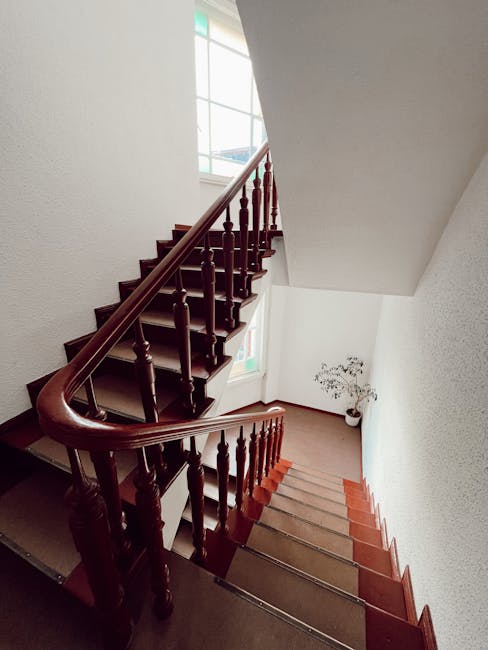
Dealing with narrow staircases in Victorian Gipsy Hill homes
Posted on 04/07/2026
Dealing with narrow staircases in Victorian Gipsy Hill homes: a practical guide for safer, smoother moves
If you live in one of Gipsy Hill's Victorian homes, you probably already know the charm comes with a few quirks. High ceilings, original features, and those lovely old proportions are great - until moving day turns up and you're staring at a staircase that feels like it was designed for a piano, a sideboard, and exactly no human beings. Dealing with narrow staircases in Victorian Gipsy Hill homes is not just about muscle. It's about planning, measuring, protecting the property, and knowing when to slow down before something expensive gets knocked, scratched, or stuck half way up the stairs.
This guide walks you through the practical side of tight stair access in period homes: what makes these staircases tricky, how professional movers approach them, what to do before the van arrives, and how to avoid the classic mistakes that create stress. If you're preparing a house move, flat move, or even a single-item lift, you'll find useful detail here - not fluffy theory. And yes, a bit of patience goes a long way.
Why Dealing with narrow staircases in Victorian Gipsy Hill homes Matters
Victorian properties in and around Gipsy Hill often have characterful staircases: steep rises, tight turns, narrow landings, awkward bannisters, and walls that seem to lean in just a bit too close. They look elegant. They are not always generous to movers. That matters because the staircase is usually the main route for large items - sofas, wardrobes, beds, bookcases, mirrors, pianos, and the odd box that everyone swore would be "easy".
When access is tight, the risks rise quickly. A single misjudged turn can chip plaster, gouge a handrail, damage a door frame, or put strain on the person carrying. If an item gets wedged, the whole move can slow to a crawl. In our experience, that's usually when people start saying things like, "It looked smaller on the measuring tape," which, to be fair, is a very human thing to say.
For many Gipsy Hill homes, the staircase is not a side issue. It is the whole issue. A good moving plan treats stairs as a main project, not an afterthought. That means you reduce risk, save time, and avoid the kind of last-minute panic that no one wants on move day.
If you're planning a full household move, it can help to read broader preparation advice too, such as how to relocate your home with less stress and the decluttering game plan. Less clutter usually means fewer tight manoeuvres. That alone can make the staircase feel a bit less hostile.
How Dealing with narrow staircases in Victorian Gipsy Hill homes Works
The basic idea is simple: you match the item, the staircase, and the method before anyone lifts a finger. In practice, it's a mix of measurement, planning, protection, and controlled movement. The goal is to find the safest route - or, if there isn't one, to find an alternative such as partial dismantling, balcony access, external lifting, or storage until access is sorted.
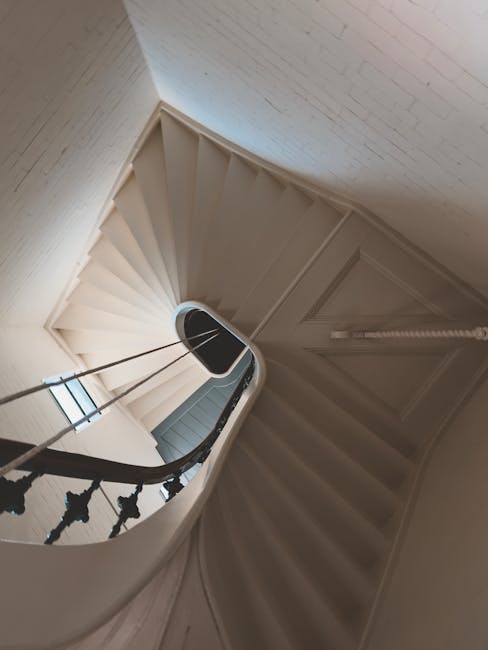
The process usually begins with an access assessment. That can be as informal as taking your own measurements, or as detailed as a mover checking stair width, ceiling height, landing depth, turning clearance, banister position, and the sharpness of any bends. Victorian staircases often narrow as they rise, and the "obvious" route may not actually be the best one once the item is tilted and carried.
Then comes route planning. Which items can be moved upright? Which need to be turned on edge? Which need disassembly? A bed frame, for example, may be straightforward once it's split down. A sofa may need to be angled carefully to avoid catching the wall at the bend. A piano is a different story entirely and should be handled with specialist care, as covered in this guide to protecting pianos during a move.
Finally, there's the actual movement. This is slow, deliberate work. Good movers communicate constantly, pause before tight turns, and use lifting positions that keep control without overloading the back or arms. If you've ever watched a bulky item move through a narrow hall, it can look almost like choreography. A slightly chaotic choreography, perhaps, but choreography all the same.
Key Benefits and Practical Advantages
When you handle narrow stair access properly, the benefits show up in more places than people expect. Yes, there is the obvious one: fewer injuries and less damage. But there are several less dramatic wins that matter just as much.
- Lower risk of property damage - walls, skirting boards, bannisters, paintwork, and door frames stay intact.
- Better protection for furniture - items are less likely to be scraped, bent, or dropped.
- More predictable timing - you avoid the endless delay that comes from wrestling one bulky item through one awkward turn.
- Less stress for everyone involved - including neighbours, who may otherwise hear a lot of muttered swearing through the stairwell.
- Smarter use of labour - the right method means fewer unnecessary lifts and less fatigue.
There is also a financial benefit, though it is not always obvious. Careful planning can prevent damage claims, reduce the need for emergency fixes, and avoid hiring a second team to deal with a problem that could have been spotted early. In other words, the "cheap" approach often becomes the expensive one pretty fast.
For furniture-heavy moves, pairing access planning with a dedicated removal approach can be useful. Our furniture removals Gipsy Hill service is designed for items that need careful handling, while bed and mattress moving advice can be a real help if bedrooms sit at the top of a tight staircase.
Who This Is For and When It Makes Sense
This topic matters to more people than you might think. It is not only for homeowners with a packed Victorian terrace. It also affects tenants, landlords, landlords' agents, students moving into upper-floor rooms, and anyone shifting bulky furniture in a period conversion.
You will particularly benefit from this guidance if you are:
- moving in or out of a Victorian house or maisonette with a narrow internal staircase
- bringing in oversized furniture such as sofas, wardrobes, beds, or desks
- moving a fragile or weighty item that needs specialist handling
- trying to avoid damage in a hallway, landing, or stairwell with original features
- working to a tight schedule and cannot afford repeated failed attempts
- planning a move with limited access, such as a top-floor flat or a shared stairwell
It also makes sense whenever you are not sure whether something will physically fit. That uncertainty alone is a good reason to plan early. Honestly, that gap between "probably fine" and "actually, no" is where most moving problems start.
If you are a student or moving on a smaller scale, a careful man and van approach can still be the right fit. See student removals in Gipsy Hill if you are working with awkward access but a smaller load. For full house moves, the broader house removals Gipsy Hill page may also be a useful next step.
Step-by-Step Guidance
Below is a simple but effective way to deal with a narrow Victorian staircase without making the day harder than it needs to be.
- Measure the staircase properly. Measure width at the narrowest point, the landing depth, the turn, ceiling height, and any obstructions such as radiators, light fittings, or bannisters. A quick guess is not enough.
- Measure the furniture or appliance too. Include the item's longest dimensions and any awkward extras like handles, feet, or protruding arms.
- Decide what can be dismantled. Many wardrobes, bed frames, and some desks can be broken down enough to make access manageable. Keep screws and fittings in labelled bags.
- Protect the route. Use floor covers, stair runners, corner guards, blanket wraps, and door protection where needed. The route matters as much as the lift itself.
- Clear the stairwell fully. Move shoes, hall furniture, plants, and loose items. Even a tiny object can become a trip hazard on a tight bend.
- Plan the order of items. Move the hardest item first if it blocks access, or first thing in the day while energy is highest. Sometimes that awkward chest of drawers should go before the smaller boxes. Sometimes not. It depends.
- Use the right lifting team. Large items should be carried by enough people to stay stable. Two people may be perfect for one item; another may need three or specialist equipment.
- Rehearse the turn. Before committing to the lift, walk through the angles verbally. "Up, pause, rotate, then edge left" is easier than improvising mid-stair.
- Stop if the item binds. Forcing an object through a bend is how walls get damaged and tempers get short.
- Have a fallback plan. If the staircase fails, look at alternate access, partial disassembly, or storage. A backup is not defeat; it's sensible.
Some jobs also benefit from methods that improve leverage and body position. If you want a deeper look at safer handling techniques, kinetic lifting methods and safe heavy lifting advice are both worth reading before you start shifting anything substantial.
Expert Tips for Better Results
A few small choices can make a surprisingly big difference. These are the details that often separate a smooth move from a grim one.
- Remove non-essential parts early. Lampshades, cushions, table legs, mirrors, and handles can create extra width exactly where you do not want it.
- Wrap first, move second. Blankets, quilt pads, and stretch wrap can protect both the item and the stair edges. Don't skip this just because "it's only a short carry".
- Use controlled pauses on landings. Landings are useful breathing spaces, not places to rush through. A quick reset there can prevent a bad turn.
- Keep one person in charge of directions. Too many voices on a staircase are unhelpful. One lead caller keeps movement tidy.
- Look at the item from above and below. Sometimes the route seems impossible from the bottom but workable from the top, or vice versa. Perspective helps.
- Schedule more time than you think. Victorian access often takes longer than newer-build access. That is normal, not a failure.
One practical tip from experience: check the route in daylight, not just under hallway bulbs. Morning light makes awkward protrusions, scuffed edges, and narrow turns much easier to judge. It sounds minor, but it isn't.
If your move involves a sofa, read sofa preservation tips for long-term storage too. A sofa that is wrapped properly is easier to manage on a staircase, and less likely to collect damage before it even reaches the van.
Common Mistakes to Avoid
Most staircase problems are avoidable. The trouble is, the avoidable bits are often the ones people rush past. Here are the usual culprits.
- Measuring only the item and not the route. If you forget the landing or turn, the move can fail even if the staircase width looks fine on paper.
- Assuming "it will squeeze through". That's not a plan. That's a hope. And hopes are not very good at protecting plasterwork.
- Moving too quickly. Speed is the enemy of control on narrow stairs.
- Ignoring weight distribution. An item may be light enough overall but awkwardly balanced, which matters more than people think.
- Forgetting the outside route. Sometimes an item that will not take the stairs may still be manageable by an alternative access method. Worth checking.
- Leaving fragile items packed together. Mixed boxes with heavy and delicate contents are a recipe for dents, cracking, and frustration.
Forgetting the staircase is also how people end up over-ordering boxes or wrapping too late in the day. A bit of preparation goes a long way. If you are still at the packing stage, packing like a pro and the packing and boxes service can help reduce the number of awkward items you need to wrestle upstairs in the first place.
Tools, Resources and Recommendations
You do not need fancy kit for every move, but a few basics are very useful when the stairwell is tight.
| Tool or resource | Why it helps | Best use case |
|---|---|---|
| Measuring tape | Checks clearances properly before move day | Furniture, doors, landings, and ceiling height |
| Furniture blankets | Protects walls, bannisters, and item surfaces | Sofas, cabinets, tables, and frames |
| Stretch wrap | Helps keep loose parts together | Drawer units, mattress protection, loose cushions |
| Corner guards | Reduces scuffing at sharp turns | Victorian stair bends and tight hallways |
| Labelled tool bags | Keeps dismantled screws and fittings organised | Beds, wardrobes, and modular furniture |
| Professional removal team | Brings technique, coordination, and backup planning | Large, heavy, fragile, or high-value items |
Not every staircase problem needs a full-service crew, but some do. If your move is time-sensitive or the item list includes anything fragile, specialised lifting or storage can be sensible. removal services in Gipsy Hill and storage options in Gipsy Hill are worth considering when access and timing do not quite line up.
If you are comparing options, it can also help to understand the wider service picture through services overview and man with a van Gipsy Hill. Those pages make it easier to choose the right level of support without overpaying for more than you need.
Law, Compliance, Standards, or Best Practice
For this topic, the most relevant point is simple: moves should be carried out safely, with reasonable care for people, property, and access routes. In the UK, that usually means following sensible manual-handling practice, using suitable equipment where needed, and avoiding unsafe lifting that could cause injury. You do not need to memorise legislation to make a smart decision, but you do need to take risk seriously.
Best practice usually includes:
- planning the lift before the item is moved
- using enough people for the weight and shape of the object
- protecting stair surfaces and surrounding walls
- stopping if the route becomes unsafe
- checking insurance and liability arrangements before the move
That last point matters more than people think. If a staircase is especially tight, you want clarity on what happens if something is damaged or an item needs extra handling. Reading through insurance and safety information, along with the health and safety policy and terms and conditions, is a sensible bit of homework before anyone starts lifting.
For payment clarity, payment and security details are also useful when comparing movers. It is boring admin, yes, but boring admin is often what keeps a move calm.
Options, Methods, or Comparison Table
Not every staircase problem needs the same solution. The right method depends on the item, the building, and how much risk you are willing to accept. Here is a straightforward comparison.
| Method | Best for | Pros | Watch-outs |
|---|---|---|---|
| Standard carry upstairs | Smaller furniture, boxes, light appliances | Quick, economical, simple | Can fail if angles are tighter than expected |
| Partial dismantling | Beds, wardrobes, desks, shelving | Often solves the width problem neatly | Needs time, tools, and careful reassembly |
| Specialist lifting technique | Heavy, awkward, or delicate items | Better control and less strain | Requires experience and coordination |
| Alternative access | Items too large for internal stairs | Can save the day when stairs are impossible | May involve extra planning or equipment |
| Short-term storage first | Moves with timing gaps or access restrictions | Takes pressure off the moving day | Extra cost and another logistics step |
In real life, a move often uses a mixture of these methods. One sofa may go up normally; another item might need dismantling; a heavy piano may need specialist handling; and that box of books, strangely, turns out to be the most annoying thing of all because it's deceptively heavy. Classic.
When timing is tight, same day removals in Gipsy Hill can be useful, but only if the access has been thought through first. A rushed schedule and a tight staircase is not a glorious combination.
Case Study or Real-World Example
Picture a Victorian terrace in Gipsy Hill with a steep stairwell, a narrow half-landing, and a sofa arriving from storage. The sofa looks fine in the van. At the front door, it suddenly looks a bit less cooperative. The first instinct is usually to push harder. That is exactly what you do not want to do.
Instead, the team measures the sofa again, removes the feet, wraps the arms, and checks whether the turn can be made by tilting the frame slightly. The stairwell is protected with blankets and guards. One person calls the turns. Another controls the back end. They pause on the landing, rotate the sofa, then take it up in a controlled lift. No shouting. No scraping. No "hold on, let's just shove it".
Now imagine the same sofa being moved without that preparation. The chances of scuffed paint and a trapped corner go up fast. That is the difference access planning makes. It is not glamorous. It just works.
A similar approach helps with many bulky items, especially when route space is limited on local streets or around periods of peak traffic. If you are working around local access constraints too, parking, access and timing guidance can be a surprisingly practical companion piece.
Practical Checklist
Use this checklist before move day. It is simple, but it catches the stuff people forget.
- Measure the narrowest part of the staircase
- Measure landings, turns, and ceiling height
- Check the dimensions of every bulky item
- Remove feet, handles, shelves, cushions, or other protruding parts
- Label screws and fittings for reassembly
- Clear the stairwell and hallway completely
- Protect walls, bannisters, floors, and corners
- Decide which item goes first and which route will be used
- Confirm who is doing the lifting and calling directions
- Keep a backup plan ready if an item will not fit
- Check insurance, terms, and safety details
- Allow extra time for Victorian access
Expert summary: In narrow Victorian staircases, the winning move is usually not brute force - it is measurement, patience, and the willingness to change the plan before damage happens.
If you are clearing out rooms before a move, this is also a good time to consider house-preparation and cleanliness tips and, where relevant, freezer storage advice so that the whole property is ready rather than just the staircase.
Conclusion
Dealing with narrow staircases in Victorian Gipsy Hill homes is really about respecting the building and the object at the same time. The staircase may be awkward, but it is usually manageable with the right measurements, preparation, and moving method. The biggest improvements often come from the simplest habits: measure properly, protect the route, dismantle what you can, and do not force a lift that clearly needs a better plan.
Whether you are moving a single sofa, a full household, or something especially delicate, the safest route is the one that has been thought through before the first foot hits the stair. That is what keeps your move calm, your property intact, and your back grateful the next morning. Honestly, your future self will thank you.
If you are planning a move with tight access, take the time to compare options, check safety details, and choose support that suits the building rather than fighting it. A Victorian home has character. The staircase just asks for a bit of respect.
Get a free quote today and see how much you can save.