Moving in Gipsy Hill: best routes around Gipsy Hill Station
Posted on 26/05/2026
If you are planning a move in Gipsy Hill, the route you choose around the station can make the difference between a smooth loading window and a stressful traffic jam. Narrow residential streets, school-run pressure, station activity, and the realities of parking in a busy London neighbourhood all matter more than many people expect. This guide breaks down the best routes around Gipsy Hill Station for removals, how to think about access, and what to do before moving day so your van, your boxes, and your timetable all work together instead of against each other.
Whether you are moving from a flat, a family home, or a student property, the aim is the same: reduce waiting time, avoid awkward reversals, and keep heavy items moving efficiently. Along the way, we will also cover packing, lifting, storage, and the local service choices that tend to matter most when you are organising a house move in South London.
Why Moving in Gipsy Hill: best routes around Gipsy Hill Station Matters
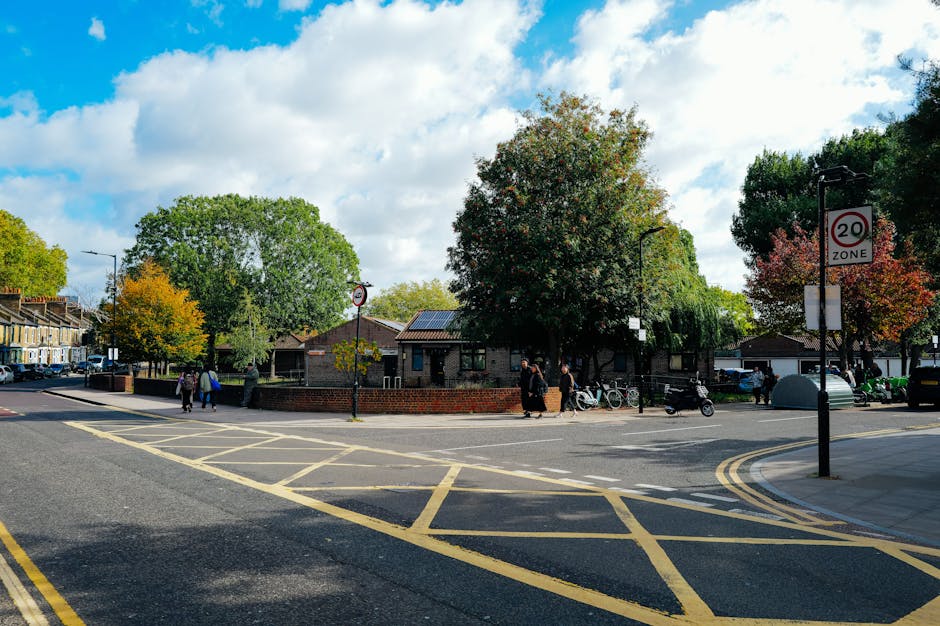
Gipsy Hill Station sits in an area where the road layout, parking demand, and pedestrian flow can affect a move more than the postcode alone suggests. If you are using a removal van, timing and direction matter. A route that looks short on a map may be slower in practice if it passes through busier links, tighter side roads, or areas where stopping briefly becomes difficult.
For moving day, "best route" usually means more than distance. It includes easy turning space, fewer pinch points, better loading access, and less chance of getting stuck behind local congestion. That is especially useful if you are moving bulky furniture, white goods, or delicate items that should not be carried long distances on foot.
For most households, the route question also affects stress. If the van can stop close to the entrance, your team can work methodically. If the van has to circle the block, double back, or wait for a gap, the whole day feels longer. And honestly, moving is already long enough.
This is why local knowledge matters. A good mover does not just know how to lift a sofa; they understand where the practical bottlenecks are. If you want to prepare well, it helps to pair route planning with broader moving guidance such as planning a calm house move and safe lifting techniques for heavy items.
How Moving in Gipsy Hill: best routes around Gipsy Hill Station Works
The practical approach is simple: work backwards from the property, not forwards from the depot. Start by identifying where the van can safely stop, where it can turn, and whether the route remains suitable for larger vehicles. Around station areas, the most useful route is often not the most direct one but the one that avoids awkward manoeuvres and keeps your arrival predictable.
In a typical local move, the process usually follows four steps:
- Map the access points. Check the front entrance, side path, building entrance, and any shared hallway or loading area.
- Identify likely restrictions. Consider one-way streets, timed restrictions, school traffic, and limited waiting space near the station.
- Choose the least disruptive approach. Aim for the route that avoids unnecessary turns and allows the van to approach the property from the easiest direction.
- Build in a buffer. Even a short local journey can take longer if parking is tight, so plan for a little extra time.
For many moves around station roads, the ideal plan is to keep the van close enough to reduce carrying distance, but far enough away to avoid blocking busier flow. That balance is often the difference between a tidy, quick job and a chaotic one.
If your move includes dismantling furniture, packing fragile items, or handling awkward shapes, the route choice should be matched with packing preparation. Good packing reduces the risk of damage when items are lifted, carried, or loaded in a hurry. A useful companion guide is packing for a house move.
Key Benefits and Practical Advantages
Choosing the right route around Gipsy Hill Station gives you more than a shorter drive. It creates a chain reaction of smaller benefits that can save time, reduce strain, and protect your belongings.
- Less carrying distance: The closer the van can safely park, the less time your team spends walking furniture through narrow pavement space.
- Lower damage risk: Shorter carries mean fewer opportunities for scuffs, knocks, and awkward turns in stairwells or entrances.
- Better time control: If the route is predictable, your loading schedule becomes easier to manage.
- Reduced physical strain: Shorter, safer handling is better for everyone involved, especially with heavy or oversized items.
- Cleaner communication: Drivers, helpers, and residents all benefit when access is planned clearly in advance.
There is also a practical commercial benefit. If you are comparing services like man with a van in Gipsy Hill, man and van services, or a larger house removals service, the mover that understands local access is often the one that delivers the smoother day.
Expert summary: The best route is not just the fastest on paper; it is the route that makes parking, loading, and unloading simple enough that the rest of the move can run without drama.
Who This Is For and When It Makes Sense
This topic matters to anyone moving near the station, but it is especially helpful for certain types of customers.
Homeowners and renters with street access issues
If your property is on a narrow road, in a terraced row, or near a junction with limited stopping space, route planning becomes essential. You may only have a brief loading window, so the van needs to arrive correctly the first time.
Flat movers and upper-floor households
People using flat removals in Gipsy Hill often need extra attention to access. Stairs, communal entrances, and hallway widths can all influence where a van should stop and how items should be staged.
Students and short-notice movers
If you are using student removals or need same-day removals, quick route decisions matter even more. The move may involve less furniture, but it usually happens under time pressure.
Office and small business moves
For local businesses, route choice helps protect equipment and keep downtime low. If you are relocating a work area, it is worth reviewing office removals and the broader services overview to match the move type to the access conditions.
It makes sense to think about route planning as part of the full moving package, not as an afterthought. If your household includes heavy items, awkward furniture, or possessions that need special handling, route choice should be aligned with the whole moving plan from the start.
Step-by-Step Guidance
Here is a practical way to plan a move around Gipsy Hill Station without overcomplicating it.
- Walk the access route in advance. If possible, look at the property from the street and note where a van can realistically stop.
- Check the likely arrival time. Peak times around station areas can create bottlenecks, so avoid assuming a quick pass-through will always stay quick.
- Decide whether the van needs to approach from one direction only. Sometimes one road edge offers better turning and easier unloading than the other.
- Reserve space for loading. If parking is tight, make a plan for how to keep the path clear while the team works.
- Prepare the items that are hardest to move. Fridges, sofas, beds, pianos, and boxed glassware should be ready before the van arrives.
- Use the right moving support. If the property layout is awkward, choose a mover familiar with local streets and building access.
- Keep a backup plan. If the preferred spot is taken, know where the next-best stop point is.
That final point is underrated. A move rarely fails because one road exists; it fails because nobody planned the second-best option when the first one was occupied.
If your move involves multiple rooms, start your preparation with decluttering. Fewer items usually means fewer loading trips, less time spent searching for things, and a cleaner overall handover. A good starting point is decluttering before moving and, if you want a tidy exit, cleaning the house before a move.
Expert Tips for Better Results
Local moving is often won or lost on small details. A few practical habits can make the entire day feel easier.
- Book the vehicle size to fit the street, not just the volume of belongings. A smaller van can sometimes save more time than a larger one if access is tight.
- Keep the entry path clear. Shoes, plant pots, prams, and recycling bins can slow things down in ways people forget until the last minute.
- Label rooms clearly. It helps the unloading process run faster when items can be placed directly where they belong.
- Wrap awkward furniture early. Sofas, tables, and headboards are easier to handle when corners and legs are protected in advance.
- Plan for weather. A damp day changes everything: grip, footing, box strength, and timing all become more important.
If you are moving furniture that needs special care, it is worth reviewing dedicated advice such as sofa protection and storage tips and moving a bed and mattress safely. These items are common trouble spots on local moves because they look simple right up until you reach a staircase.
For heavier or more awkward loads, the best tip is still the oldest one: do not rush the lift. A controlled, measured move is almost always a safer move.

Common Mistakes to Avoid
Many local moves near station roads go wrong for the same predictable reasons. Avoiding these mistakes can save you time, money, and a lot of unnecessary friction.
- Assuming all routes are equally practical. A short distance can still be the wrong route if turning space is poor.
- Leaving parking to chance. If you do not think about where the van will stop, you may end up carrying furniture too far.
- Ignoring building access. Shared entrances, intercoms, and stair width can become the real issue, not the street itself.
- Packing too late. Last-minute packing usually creates the sort of mismatched boxes that slow everything down.
- Trying to lift heavy items without enough help. This is where injuries and damage often happen.
Another mistake is underestimating specialist items. Pianos, for example, should not be treated like ordinary furniture. If you have one, read why DIY piano moving can go wrong and consider proper piano removals in Gipsy Hill. The same goes for items that need a second person or proper handling equipment.
Small warning: if the plan sounds a bit too casual, that is often the moment to slow down and check the route again.
Tools, Resources and Recommendations
You do not need specialist equipment for every move, but a few basics make local removals much more manageable.
- Strong packing boxes: Use good-quality boxes that can hold weight without bowing.
- Furniture blankets and covers: Helpful for corners, upholstery, and wooden surfaces.
- Trolley or sack truck: Useful for heavier boxes and appliances where the route allows safe rolling.
- Straps and ties: Essential for keeping loads stable in transit.
- Marker pens and labels: Simple, but they save serious time on arrival.
If you are still building your moving plan, these pages may help:
- packing and boxes in Gipsy Hill for supplies and box planning
- storage in Gipsy Hill if you need temporary space between properties
- removal services for a broader overview of support options
- removals in Gipsy Hill for the main local service page
On the preparation side, a few guides are especially useful: moving without stress, packing like a pro, and protecting valuable instruments.
Law, Compliance, Standards, or Best Practice
For a residential move, most of the practical concern is not legal complexity but responsible operating practice. Still, there are a few standards and expectations worth keeping in mind.
Drivers should follow the usual UK road rules, observe any local parking restrictions, and avoid unsafe stopping that blocks sightlines, crossings, or access for emergency vehicles. Around station areas, that is particularly important because pedestrian movement can be busy and unpredictable.
If you are hiring a mover, it is sensible to look for clear policies on insurance and safety, transparent pricing and quotes, and responsible service information. Where belongings are stored, transported, or handled, good operators will also have clear terms and service expectations in place. You can review supporting company pages such as health and safety policy, terms and conditions, and about us.
For customers, the best practice is simple: share access details early, flag any time restrictions, and disclose anything unusual about stairs, entry codes, parking, or heavy items. The mover can only plan accurately if the information is accurate.
Options, Methods, or Comparison Table
Below is a practical comparison of common moving approaches near Gipsy Hill Station. The right choice depends on your property, budget, and how much help you want on the day.
| Method | Best for | Strengths | Watch-outs |
|---|---|---|---|
| Man and van | Small to medium local moves | Flexible, efficient, often ideal for tight access | May need careful planning if the load is large |
| Full house removals | Larger households or multi-room moves | More support, better for bulk items and staging | Needs more coordination and clearer access space |
| Flat removals | Upper-floor homes and apartments | Useful for stair-heavy access and compact streets | Entrance and parking details must be accurate |
| Same-day removals | Urgent or deadline-led moves | Fast response and practical for short-notice situations | Less flexibility if access is especially constrained |
| Storage-first move | Moves with delayed completion dates | Gives breathing room between properties | Requires extra handling and an additional stage |
If you are undecided, a smaller local job often works well with a man and van setup, while fuller homes usually benefit from a more structured house removals approach. Simple enough, but getting that match right makes a real difference.
Case Study or Real-World Example
Consider a typical Gipsy Hill flat move: a two-bedroom property with a few larger items, a narrow street, and a limited parking window near the station. The residents want to move on a weekday morning, which is convenient for their schedule but not necessarily the easiest time for road access.
Instead of sending the van on the most obvious route, the moving plan is built around the easiest stop point and the shortest carrying path. The team confirms where the driver can pause without blocking access, pre-labels the boxes by room, and loads the bulky items first so the rest of the work stays organised.
That kind of move tends to go better for a simple reason: the route supports the job rather than complicating it. The sofa arrives without drama, the mattress is handled safely, and the boxes are placed in the right rooms on the first pass. Nothing glamorous. Just fewer problems.
In situations like this, helpful preparation often comes from the basics: decluttering, correct packing, and sensible item protection. If your move includes a sofa, freezer, or other bulky household item, you can strengthen the plan with practical references such as sofa storage guidance and freezer storage tips.
Practical Checklist
Use this checklist in the days before your move near Gipsy Hill Station.
- Confirm the moving date and expected arrival window.
- Check where the van can stop most safely.
- Note any one-way streets, timed restrictions, or awkward turns.
- Measure doorways, stair turns, and hall clearance for large furniture.
- Pack fragile items separately and mark them clearly.
- Disassemble beds, tables, or shelving if needed.
- Keep essentials in a clearly labelled bag or box.
- Protect floors, corners, and upholstery where necessary.
- Prepare keys, access codes, and contact numbers.
- Share any access issues with your mover in advance.
Quick practical note: if you can answer the question "Where will the van stop?" before moving day, you are already ahead of most people.
Conclusion
Moving in Gipsy Hill is easier when you treat the route around Gipsy Hill Station as part of the move itself, not just the journey between addresses. The right approach keeps loading faster, reduces physical effort, and helps avoid those annoying delays that seem small at first and somehow eat half the morning.
Plan the route, match the van size to the street, prepare your items properly, and keep a backup option ready. If you do that, you are far more likely to get a smooth, tidy move with fewer surprises and less strain on the day.
If you want help turning that plan into action, the next sensible step is to review the relevant moving services, confirm access details, and request a quote based on your actual property layout rather than a rough guess.
Get a free quote today and see how much you can save.