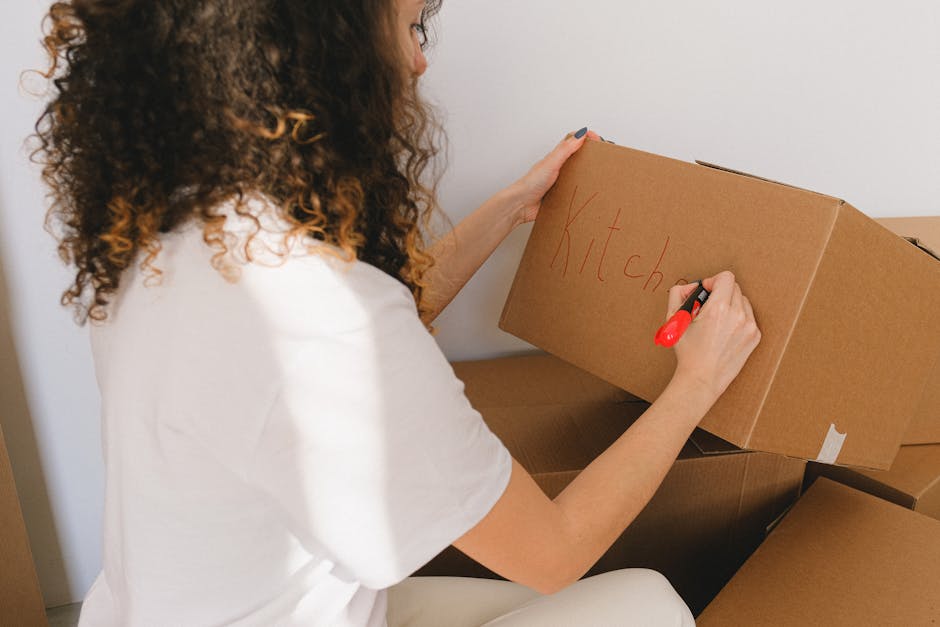
Packing bulky items on Coldharbour Lane: a local checklist
Posted on 22/05/2026
If you are packing bulky items on Coldharbour Lane, the job is rarely as simple as "wrap it and move it." Big pieces take up space, scrape walls, catch on stair rails, and somehow feel heavier at the exact moment you need to turn a corner. A sofa, wardrobe, mattress, fridge, or piano needs a bit more planning than a pile of books in small boxes. This guide gives you a practical local checklist so you can pack smarter, protect your belongings, and avoid the usual moving-day headaches.
Coldharbour Lane has its own rhythm: busier stretches, shared entrances, tight doorways, and the kind of mixed housing that can make bulky-item moves feel like a puzzle. To be fair, that is exactly why a checklist helps. Below, you will find a clear step-by-step approach, the common mistakes people make, what tools are worth having, and when it makes sense to bring in experienced help. If you want a broader moving refresher alongside this, the guide on packing like a pro for a seamless move is a useful companion read.

Why Packing bulky items on Coldharbour Lane: a local checklist Matters
Bulky items are the ones most likely to cause trouble if they are rushed. They are awkward, hard to grip, and often too valuable to take a gamble with. A poor packing decision can lead to damaged corners, crushed upholstery, scratched wood, or worse, a strained back on the stairs. That is the real issue. Not just the box, the whole chain of events.
On Coldharbour Lane, the local environment can add a few extra complications. A move may involve narrow pavements, busy traffic at the wrong moment, basement flats, top-floor walk-ups, or shared hallways where one clumsy turn can leave a scuff on a wall. If you have ever tried turning a mattress in a tight landing while a door keeps swinging back, you will know the feeling. Slightly chaotic, not fun.
A local checklist matters because it pushes you to think ahead: measure first, protect properly, choose the right lift plan, and decide what should be dismantled before moving day. It also helps you match the packing method to the item. A dining table does not need the same treatment as a piano, and a sofa should not be bundled the same way as a metal filing cabinet. That sounds obvious, but people miss it all the time.
If your move includes large household furniture, the service page for furniture removals in Gipsy Hill gives a helpful sense of how professional support can reduce risk and simplify the process.
How Packing bulky items on Coldharbour Lane: a local checklist Works
The best bulky-item packing process is a sequence, not a single task. You are not just "packing a thing." You are preparing the item, checking the route, protecting surfaces, and making sure the move-out and move-in points are workable. In practice, the checklist works like this:
- Identify the item and note its size, weight, and fragility.
- Measure access points such as doorways, stairwells, lifts, and the van loading area.
- Prepare the item by removing loose parts, draining where needed, or securing moving sections.
- Wrap and cushion the item using materials suited to its surface and structure.
- Label and plan handling so everyone knows how it should be carried and where it should go.
- Load in the right order to reduce shifting and make unloading easier at the destination.
That may sound straightforward, and in theory it is. In reality, bulky items often reveal the weak point in the whole move. Maybe the wardrobe can fit through the front door only if it is tilted at an angle. Maybe the sofa has detachable feet that should have come off earlier. Maybe the mattress is easy enough until you get to the stairwell, where the bend makes it awkward. You only really find these problems if you plan before the van arrives.
If a bulky item is also delicate, like a piano or antique cabinet, it is worth reading the specialist guidance on keeping a piano safe with professional services and the service page for piano removals in Gipsy Hill. Those items need even more care than standard furniture.
Key Benefits and Practical Advantages
A well-built packing routine for bulky items gives you more than neat-looking protection. It changes the entire move experience.
- Less damage: Corner guards, blankets, and proper wrapping keep scratches and dents to a minimum.
- Safer lifting: Good preparation reduces the chance of awkward grabs and sudden slips.
- Faster loading: When parts are detached and items are labelled, the move flows more cleanly.
- Better use of space: Bulky items can be loaded in a way that stabilises the van rather than wasting room.
- Lower stress: A clear plan stops the "where do we start?" feeling that hits around 8 a.m. on moving day.
- Fewer surprises: You notice access issues and size conflicts before the pressure is on.
There is also a less obvious benefit: you tend to make better decisions about what is worth moving at all. Some bulky furniture is so worn, oversized, or awkward that it may be more sensible to store, donate, or replace it. If you are already trimming down possessions, the article on the decluttering game plan is a solid place to start. A lighter load is usually a cleaner move. Simple, but true.
For people arranging a broader domestic move, the page on house removals in Gipsy Hill can help you see how bulky-item packing fits into a full home relocation rather than sitting in isolation.
Who This Is For and When It Makes Sense
This checklist is useful for anyone moving large, awkward, or heavy items from a property on or near Coldharbour Lane. That includes renters in flats, families moving house, students with big furniture, small businesses shifting office equipment, and anyone placing furniture into storage for a while.
It makes particular sense if:
- you have a sofa, bed base, wardrobe, or mattress that needs dismantling;
- you live in a flat with stairs or a tight landing;
- you are moving in or out of a terraced property with narrow access;
- you are short on time and need a clean, efficient packing method;
- you want to reduce the chance of damage to walls, floors, or the item itself;
- you are moving something heavy enough that two people are really the minimum.
There is no shame in getting help. Actually, it is usually the sensible option. If you are weighing up support, the man and van service in Gipsy Hill and the broader removal services in Gipsy Hill can be a practical fit for bulky-item moves where timing and lifting matter.
For students, especially those shifting between shared housing and smaller rooms, the student removals page is worth a look too. Student moves often look small on paper and then suddenly include a desk, bed, chair, shelf unit, and a surprisingly heavy box of kitchen stuff. Happens every year.
Step-by-Step Guidance
1. Start with a proper item check
Before you touch a roll of tape, make a list of every bulky item. Note its approximate size, condition, and whether it comes apart. Photograph anything fragile or expensive. That gives you a record and helps if you need to explain pre-existing marks later. A quick photo takes seconds. The peace of mind is worth it.
2. Measure the route, not just the item
Measure door widths, stair corners, hallways, lift dimensions, and any sharp turns along the way. If the route involves moving from a flat to street level, check whether there are awkward thresholds or narrow openings. This is where local knowledge matters. On a busy London street, the van can be ready and waiting, but if the item cannot clear the final turn, everything slows down.
3. Strip the item down where possible
Remove shelves, drawers, loose feet, detachable headboards, and any accessories that could shift in transit. Keep screws, fittings, and small parts together in clearly labelled bags. Tape those bags to the item or place them in a dedicated parts box. It sounds fussy until you are missing two screws and a bracket at 7 p.m.
4. Protect surfaces first
Use the right coverings for the right material. Wooden pieces benefit from moving blankets and corner protection. Sofas need breathable covers or padding that guards against dirt and snagging. Mattresses should be wrapped in a clean mattress cover. For upholstered items, the article on sofa preservation during long-term storage has some genuinely useful pointers if your move includes a storage stop.
5. Secure edges, doors, and moving parts
Doors that swing open mid-carry are a nuisance and a hazard. Use tape, straps, or temporary wrapping to keep parts shut. Do not over-tape delicate finishes, though. A little restraint helps. If an item opens, shifts, or rattles, fix that before lifting.
6. Decide how it will be carried
Some bulky items move best vertically. Others are safer horizontal. A mattress may seem easier to carry flat, but that is not always best in narrow areas. A wardrobe may need to be tipped carefully and kept rigid. Think through the lift before you start, not while you are halfway down the stairs and everybody is now a bit tense.
7. Load with balance in mind
Heavy items should be loaded to reduce shifting, with the weight spread sensibly in the van. Softer items can fill gaps, but only if they do not crush surfaces. If you are doing the job yourself, the guide on lifting heavy items safely is useful for understanding body position and handling limits.
8. Unload into a planned space
Do not finish at the front door. Have the destination ready. Clear the route, protect floors if needed, and place each item where it belongs. If the bulky item is going straight into storage, keep it accessible and upright when required. For storage-friendly planning, the storage in Gipsy Hill page pairs well with this checklist.
Expert Tips for Better Results
There are a few small habits that make a surprisingly big difference.
- Pack by function, not by room alone. Heavy furniture, fragile items, and awkward accessories need different handling, even if they came from the same room.
- Use colour labels. A strip of coloured tape can tell you instantly which room an item belongs to. Handy when everything starts looking the same in the hallway.
- Keep one tool kit separate. Screwdrivers, Allen keys, tape, markers, and scissors should be in one accessible bag.
- Pad contact points twice. Corners, handles, and feet usually suffer first. Double up there.
- Do a "last look" before loading. A 30-second pause catches unwrapped corners and forgotten loose parts.
- Stay realistic about weight. If an item feels beyond safe manual handling, it probably is. Not heroic. Just risky.
A small but useful trick: place a note on the item itself with the room it is heading to and whether it must remain upright. That single detail saves confusion later. Little thing, big difference.
If you are preparing the whole property rather than only the bulky items, the article on preparing your house for a move is a sensible companion. It helps keep the rest of the home calm while the heavy lifting gets sorted.

Common Mistakes to Avoid
Most bulky-item problems come from rushing, guessing, or assuming the item will "probably fit." That word probably is doing a lot of heavy lifting.
- Skipping measurements: Guessing the route is a classic mistake. Doors and stair bends rarely forgive optimism.
- Using the wrong wrap: Plastic wrap can trap moisture on some items if used carelessly. Upholstery and wood need different treatment.
- Leaving drawers full: It seems time-saving until the drawer slides open mid-carry or the unit becomes unstable.
- Not labelling parts: Detached pieces without labels turn into a puzzle later.
- Trying to lift alone: Heavy items can twist unexpectedly, especially on steps or uneven paving.
- Ignoring wall and floor protection: The item may survive, but your hallway might not.
One mistake people make on busy streets is forgetting the loading plan outside the property. If the van is parked a short distance away, carrying a large object becomes harder very quickly. That extra twenty metres can feel much longer when the item is awkward and the weather is doing its British thing.
And yes, moving day has a way of exposing everyone's patience. Best to plan for that in advance.
Tools, Resources and Recommendations
You do not need a warehouse of equipment, but a few good tools make bulky-item packing far easier.
| Tool or Material | Best Use | Why It Helps |
|---|---|---|
| Moving blankets | Large furniture, wooden items, appliances | Protects against knocks, scratches, and corner damage |
| Mattress covers | Beds and mattresses | Helps keep fabric clean and dry during transit |
| Stretch wrap | Drawers, loose parts, upholstered edges | Secures moving pieces and keeps covers in place |
| Furniture sliders | Short indoor moves | Makes repositioning less strenuous on floors and backs |
| Ratchet straps | Van loading and securing heavy pieces | Reduces movement while driving |
| Labels and marker pens | All dismantled parts | Makes reassembly much easier |
For bulk packing supplies, the packing and boxes service is useful if you want the right materials without guessing what to buy. That is especially handy if you are also dealing with odd-sized items or a tight deadline.
If you are trying to keep costs manageable, start by comparing the scope of the move. Sometimes a smaller removal van option is enough; other times you need a fuller removals service to handle the lifting, loading, and transport in one go.
Law, Compliance, Standards, or Best Practice
For most domestic bulky-item packing, the main concerns are not complex legal ones. They are practical safety and duty-of-care issues. In the UK, anyone moving heavy items should take reasonable care to avoid injury and damage. That means using sensible lifting methods, not overloading boxes or people, and avoiding unsafe shortcuts. Common sense, yes, but worth saying plainly.
If you are arranging movers, it is sensible to check that they are clear about insurance, handling expectations, and terms of service before the move begins. The pages on insurance and safety and terms and conditions are helpful if you want to understand the basics of responsibility and what support is covered.
Health and safety best practice usually includes:
- using two-person lifts where the item is too heavy or awkward for one person;
- keeping walkways clear of trip hazards;
- wearing suitable footwear with grip;
- protecting hands from pinch points;
- using equipment rather than brute force whenever possible;
- not attempting a lift that feels unstable or beyond your ability.
If accessibility is part of the move, for example if a resident has mobility limits or the property access is unusual, the accessibility statement can help frame how service support is approached. A careful move should work for real people, not just ideal layouts.
Options, Methods, or Comparison Table
There is no single correct way to handle bulky items. The best method depends on the item, access, timing, and how much help you have.
| Method | Best For | Pros | Watch Outs |
|---|---|---|---|
| DIY packing and lifting | Small to medium bulky items with easy access | Lower upfront cost, flexible timing | Higher risk of damage or strain if you underestimate the job |
| Man and van support | Furniture, white goods, mixed bulky loads | More practical for loading and transport, often quicker | Still requires clear preparation and item readiness |
| Full removals service | Whole-home or heavier moves | Best for complex access, multiple bulky items, time pressure | Usually more expensive than a lighter service |
| Storage-first approach | Moves with delays, renovations, downsizing | Gives breathing room and reduces immediate pressure | Items must be packed correctly for longer stays |
For many people on Coldharbour Lane, the middle ground is the sweet spot: help with the heavy lifting, but still keeping some packing tasks in-house. The page on man with a van in Gipsy Hill fits that kind of move nicely, especially where bulky items are the main concern rather than an entire household.
Case Study or Real-World Example
Here is a realistic local scenario. Imagine a first-floor flat near Coldharbour Lane with a double mattress, a bed frame, a wardrobe, and a two-seater sofa. Nothing exotic. Just the kind of move that looks manageable until you stand in the hallway and notice the turn at the bottom of the stairs.
The move goes better because the bulky items are prepared in advance. The bed frame is dismantled the night before, screws bagged and labelled. The mattress is placed in a clean cover. The sofa legs come off, and the arms are protected with blankets. The wardrobe is emptied completely, then checked against the doorway before lifting. Two people carry, one person guides. No drama, which is always nice.
What made the biggest difference was not strength. It was sequencing. The team did the small jobs early, measured the route, and kept the van loading area clear. By the time the bulky items were ready to go, there was no guesswork left. Just movement. Smooth-ish movement, anyway.
If that same move had included a piano or specialist item, it would have needed a different level of care and probably dedicated handling. That is where specialist support really pays off.
Practical Checklist
Use this as your final run-through before moving bulky items on Coldharbour Lane.
- Measure the largest item and the tightest access points.
- Check whether doors, shelves, legs, or drawers can be removed.
- Gather blankets, tape, stretch wrap, labels, and bags for small parts.
- Protect floors, walls, and door frames on the route out.
- Drain, defrost, or secure appliances if relevant and safe to do so.
- Empty heavy furniture before lifting.
- Label the destination room for each item.
- Use two-person lifts for awkward or heavy items.
- Keep a clear loading path to the van.
- Confirm where each item will be placed at the destination.
- Check insurance and service terms if professionals are involved.
- Set aside time for reassembly and final positioning.
Expert summary: The safest bulky-item move is the one planned before anything is lifted. Measure first, dismantle when needed, protect surfaces properly, and do not let speed overrule common sense. The difference between a smooth move and a stressful one is usually a handful of small decisions made early.
Conclusion
Packing bulky items on Coldharbour Lane is much easier when you treat it as a small project rather than a last-minute chore. Measure the route, prepare the item, choose the right protection, and think about the lift before the lifting starts. That is the formula. Nothing fancy, just solid planning and a bit of patience.
Whether you are moving a sofa, a bed, a wardrobe, or an item that needs a more specialist approach, the goal is the same: protect the item, protect the property, and protect your own back. If you want help turning the plan into a clean, workable move, taking a look at the services overview is a sensible next step. And if you are comparing options, the pricing and quotes page can help you understand what to expect before you commit.
Small jobs done properly tend to save the biggest headaches later. That is true on Coldharbour Lane, and honestly, everywhere else too.
Get a free quote today and see how much you can save.